Finding My Ikigai: How Japanese Philosophy Shapes My Wedding Photography
I read a lot of philosophy, and lately, I’ve found myself deeply drawn to Japanese concepts. Ideas like Ikigai have genuinely helped me find my own… well, Ikigai (the closest Western translation is “purpose,” but it’s so much more complex and beautiful than that).
Recently, I’ve realized just how much this worldview influences my work as a wedding photographer. The way I look through the lens, interact with couples, and edit my final galleries is steeped in these ideas. Here are the key Japanese concepts that have quietly sneaked into my creative process.
Wabi-sabi: Finding Beauty in Imperfection
“There is a crack in everything, that’s how the light gets in.” — Leonard Cohen, Anthem.
Wabi-sabi is perhaps the most famous Japanese aesthetic. It encourages us to stop chasing perfection and instead find beauty in things that are weathered, aged, or flawed. It’s the deep appreciation of the “cracks” in life.
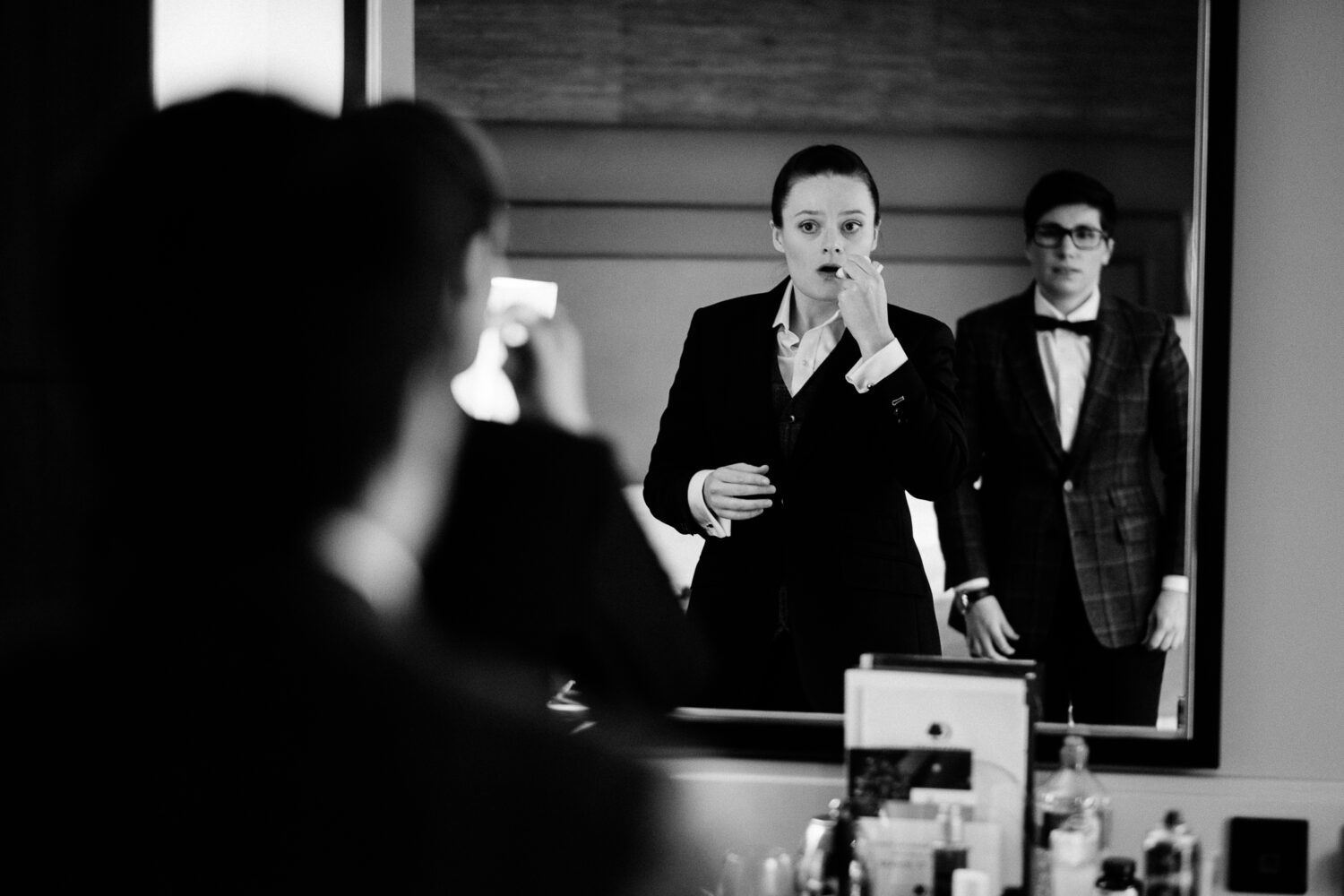
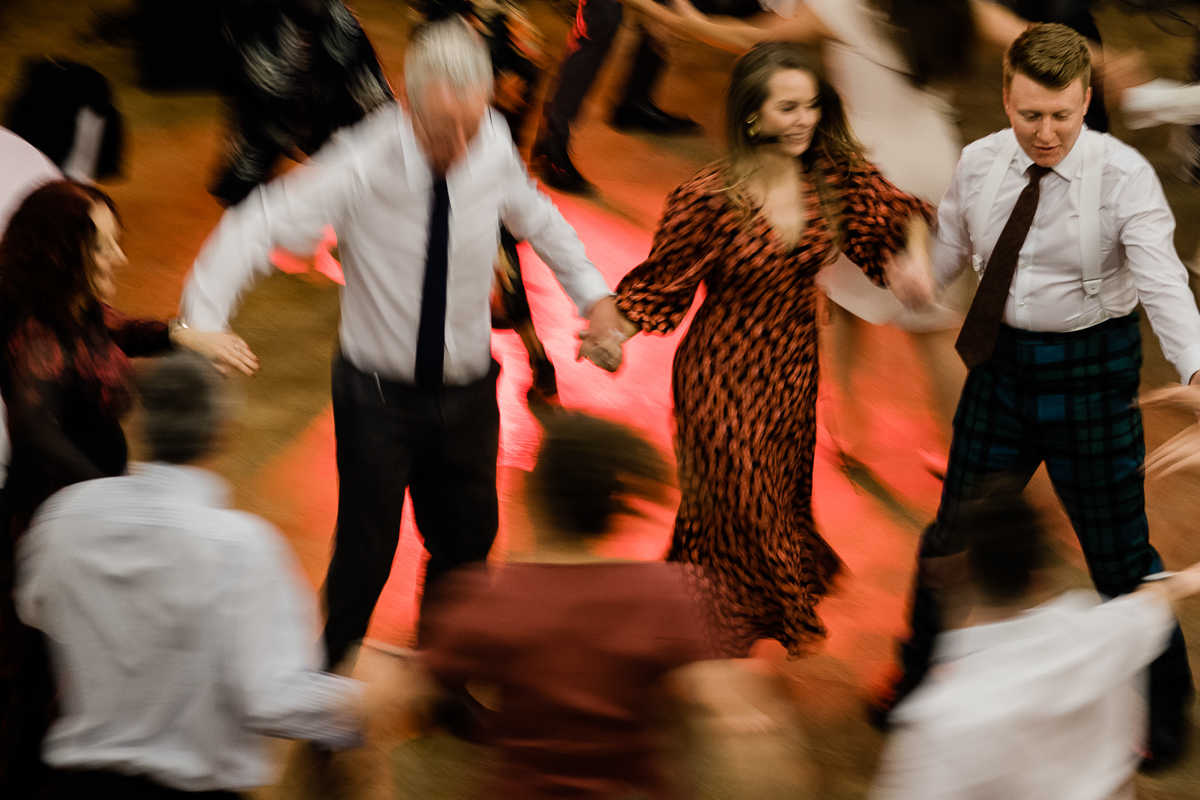
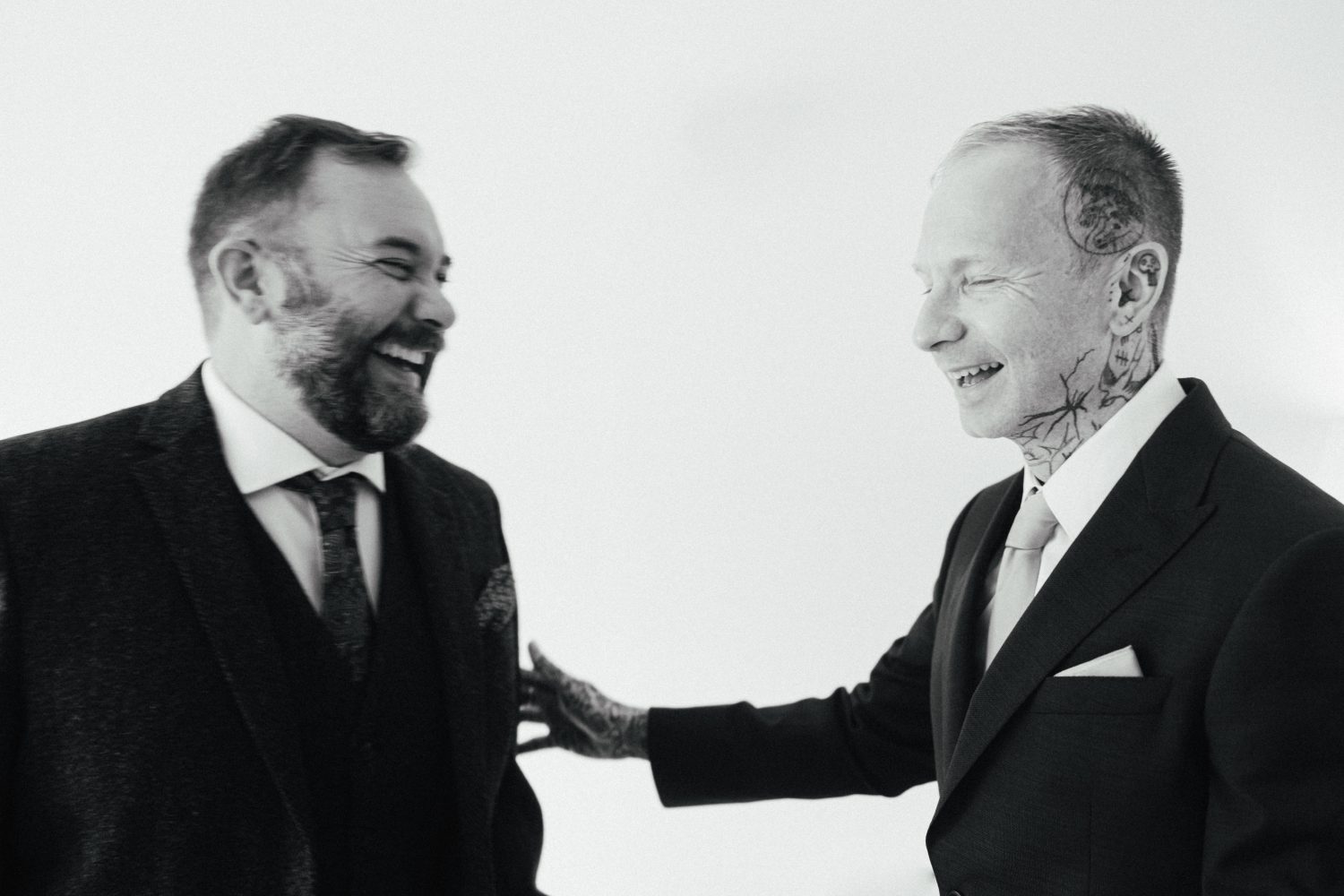
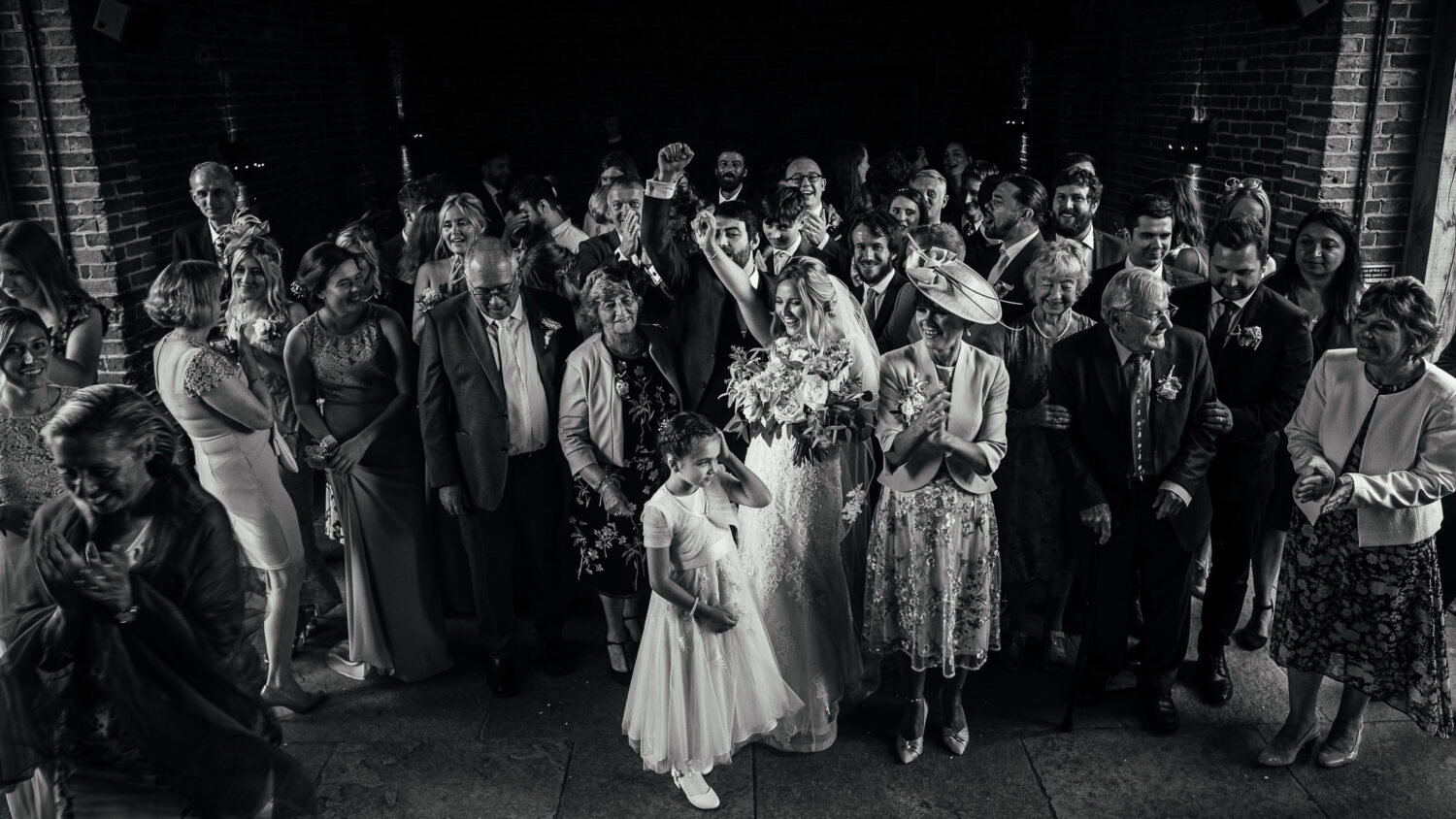
In my work, I lean into this by embracing grain, blur, light leaks, and other techniques that bring a pulse to your wedding photographs. I only straighten an image when absolutely necessary. I truly believe that the Wabi-sabi elements of a photograph—the slight imperfections—are exactly where its real beauty lives.
Kintsugi: The Golden Repair
Closely related to Wabi-sabi, Kintsugi is the art of repairing broken pottery with lacquer mixed with powdered gold. Rather than hiding the breaks, it highlights them, suggesting that an object (or a person) is more beautiful for having been broken and repaired.
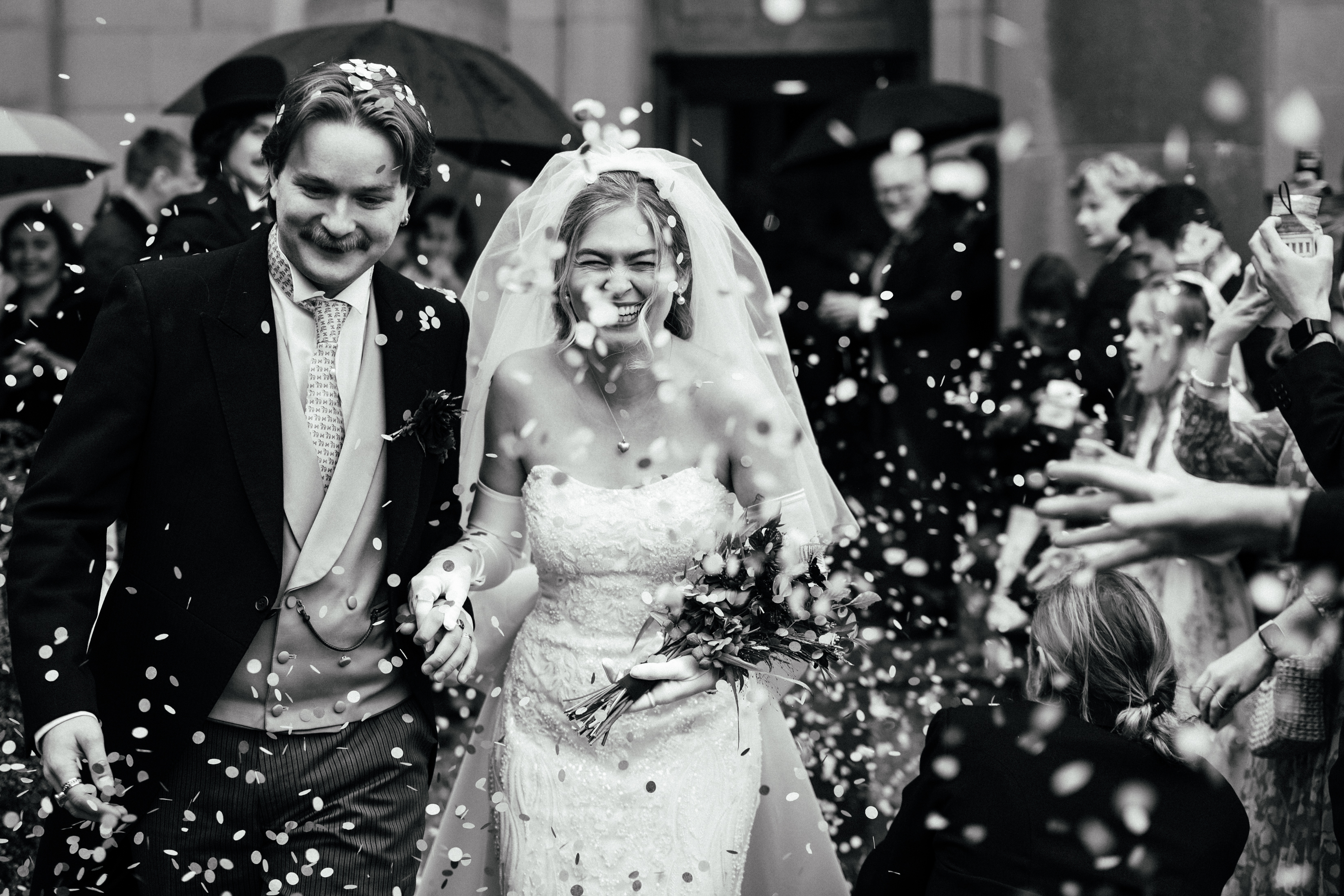
Weddings are beautiful, but they are also deeply human and wonderfully chaotic. Photography is about exploring imperfect people and accepting who we are. It’s about capturing the happy tears, the blending of complex families, or the moment the rain poured down and ruined the timeline—but made for the most magical memory of the day. Those are the golden seams.
Kaizen: Continuous Improvement
“Which of my photographs is my favorite? The one I’m going to take tomorrow.” — Imogen Cunningham
Commonly used in Japanese business philosophy, Kaizen focuses on making small, incremental changes every day rather than trying to overhaul everything at once. Over time, these tiny gains compound into massive transformations.
Every time I return from a wedding, I pore through the photos and ask myself: What could make this better? How can I improve? I then roll into the next wedding with knowledge and perspective I didn’t have the weekend before. This practice of continuous improvement is what keeps me so creatively engaged with my profession.
Mono no aware: The Pathos of Things
This is the bittersweet realization of the fleeting nature of reality. It’s that feeling you get when watching cherry blossoms fall—you are moved by their beauty, but profoundly aware that they will soon be gone.
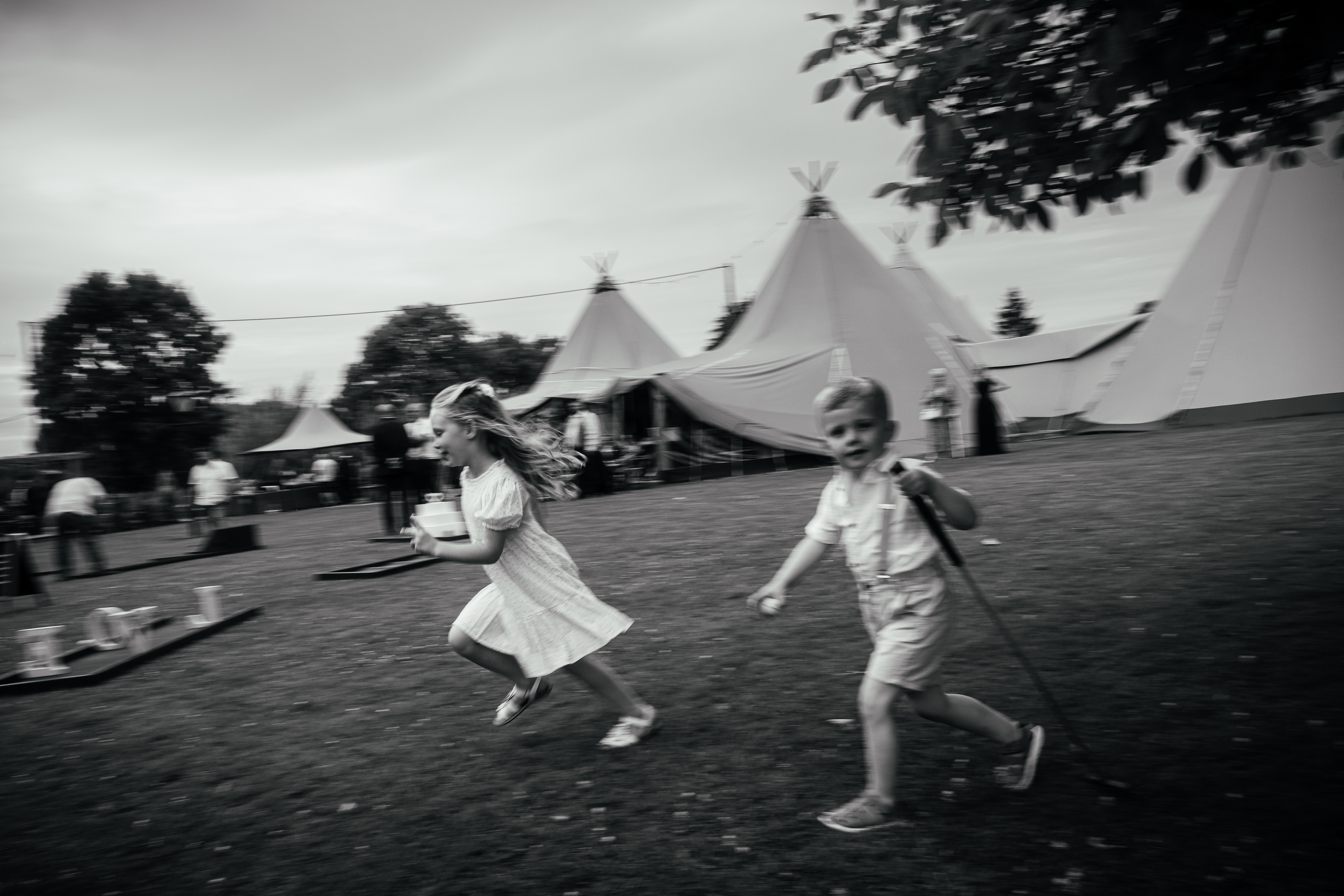
Looking back through my own wedding photographs, I’m struck by images of people who are no longer with us, and by children playing who are no longer children. Wedding photography is Mono no aware in action. It is the capturing of life’s impermanence, and ultimately, a fierce celebration of life itself.
Ichigo Ichie: One Time, One Meeting
This concept reminds us that every encounter or moment is unique and will never happen again in exactly the same way. Even if you meet the same people in the exact same place, the moment itself is unrepeatable.
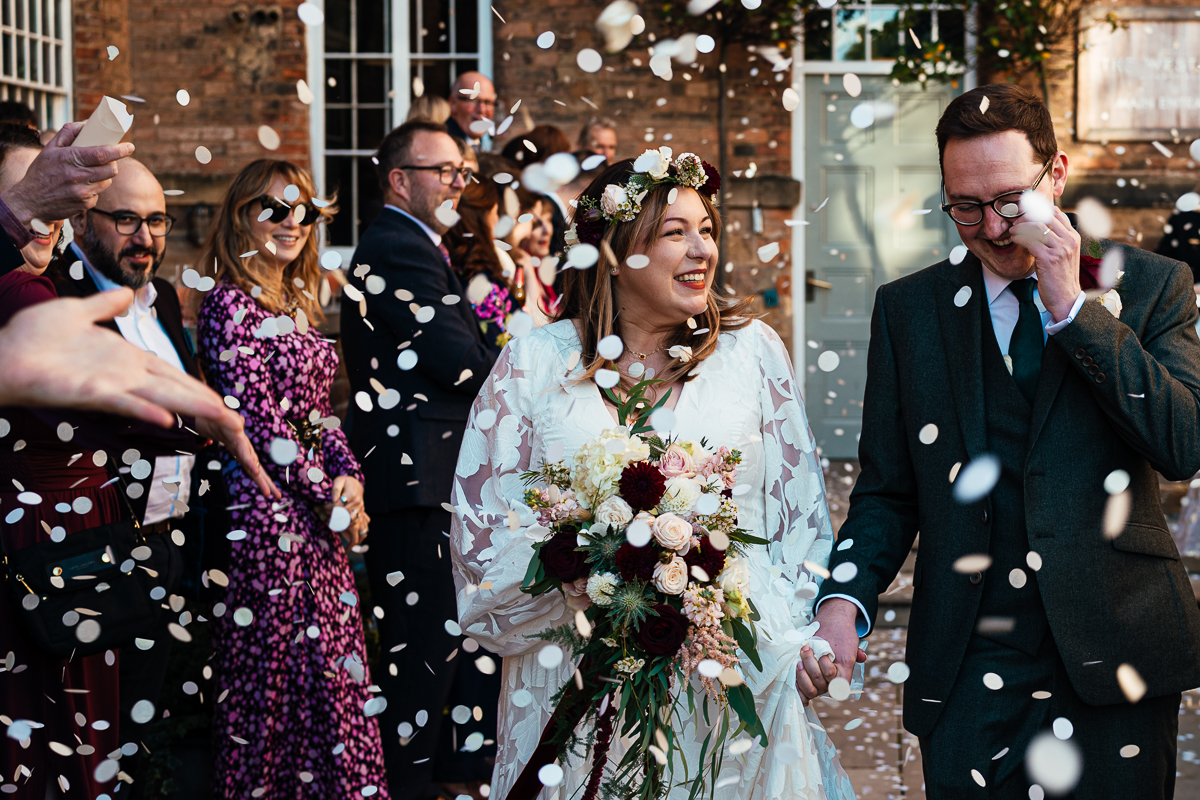
Documentary wedding photography centers itself entirely around this idea. Each glance, laugh, and quiet touch is unstageable. It’s the capturing and curation of these fleeting Ichigo Ichie moments that I wake up every day hoping to achieve.

Shikata ga nai: Letting Go of What You Cannot Control
Often translated as “it cannot be helped,” this isn’t a phrase of defeat, but rather one of radical acceptance. By accepting that certain situations are entirely out of your hands, you free up your energy to focus on what you can change.
By letting go of preconceived ideas of what a wedding “should” look like, we open ourselves up to the serendipity of what real life actually has to offer. I often tell my couples that I cannot conjure up or pose anything as interesting as reality—and I genuinely mean it.
Yugen: The Profound Mystery of the Universe
Yugen is an aesthetic concept describing an awareness of the universe that triggers emotional responses too deep for words. It is finding beauty not in the obvious, but in the subtle, the shadowed, or the unseen.
As photographers, we are on a constant quest for those universal images—the ones we feel in our chests before our brains even process what we’re looking at. Yugen is that deeper, unspoken “something” we are always chasing in our frames.
Omoiyari: Deep, Proactive Empathy
Omoiyari goes a step beyond standard empathy. It is the practice of anticipating the needs of others and acting to make them comfortable before they even have to ask. It requires you to be deeply observant and selfless.
Being a wedding photographer is so much more than the images we take. It’s about how we bring ourselves into someone’s most intimate spaces. It’s the energy and empathy we bring to the room—knowing when to step back, when to step in, or when to just put the camera down and be of service. That is Omoiyari in action, and it is the bedrock of how I shoot a wedding.
Popular Articles
Nothing To Do With Wedding Photography
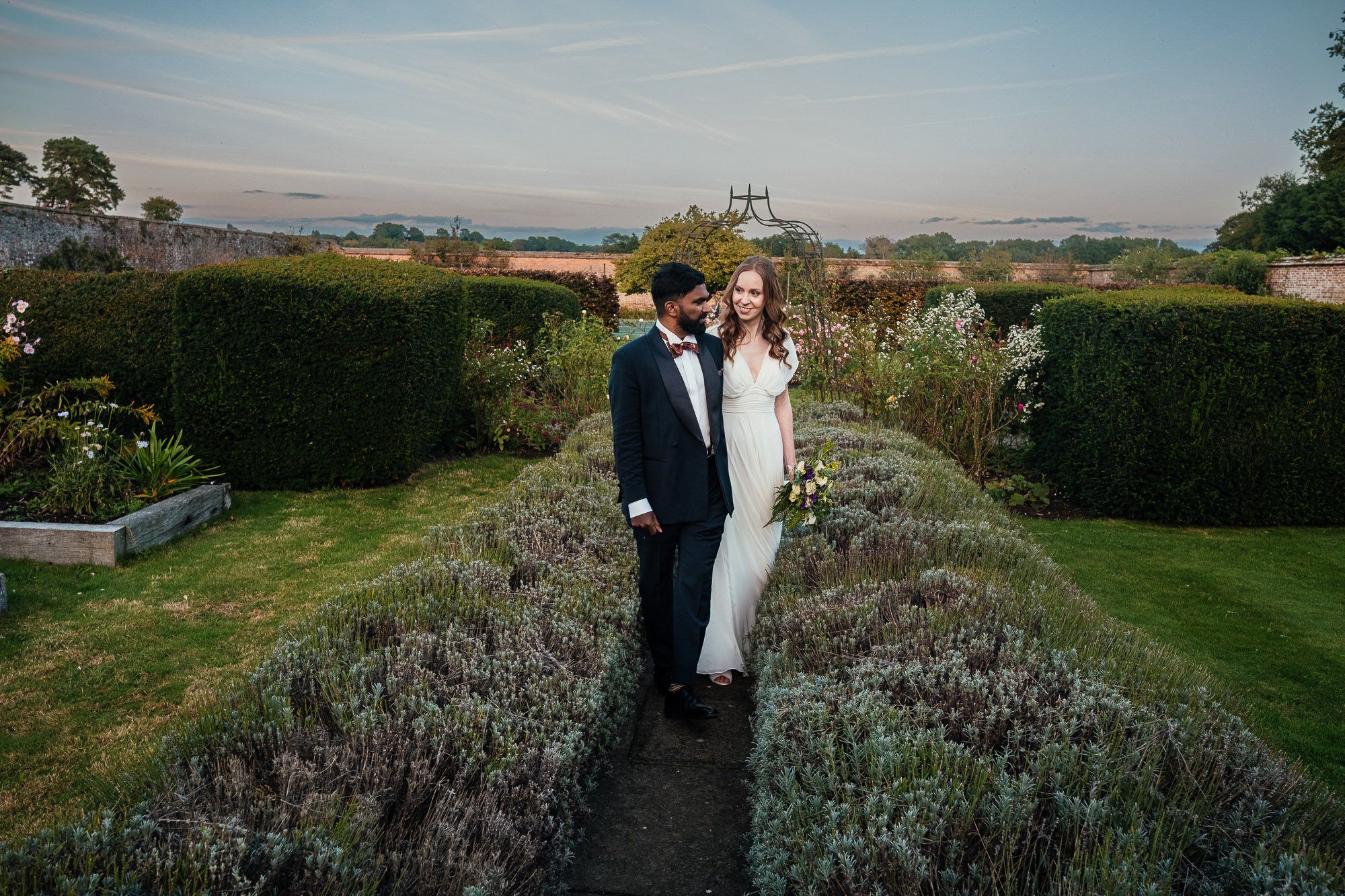
Wedding Photography for Introverts
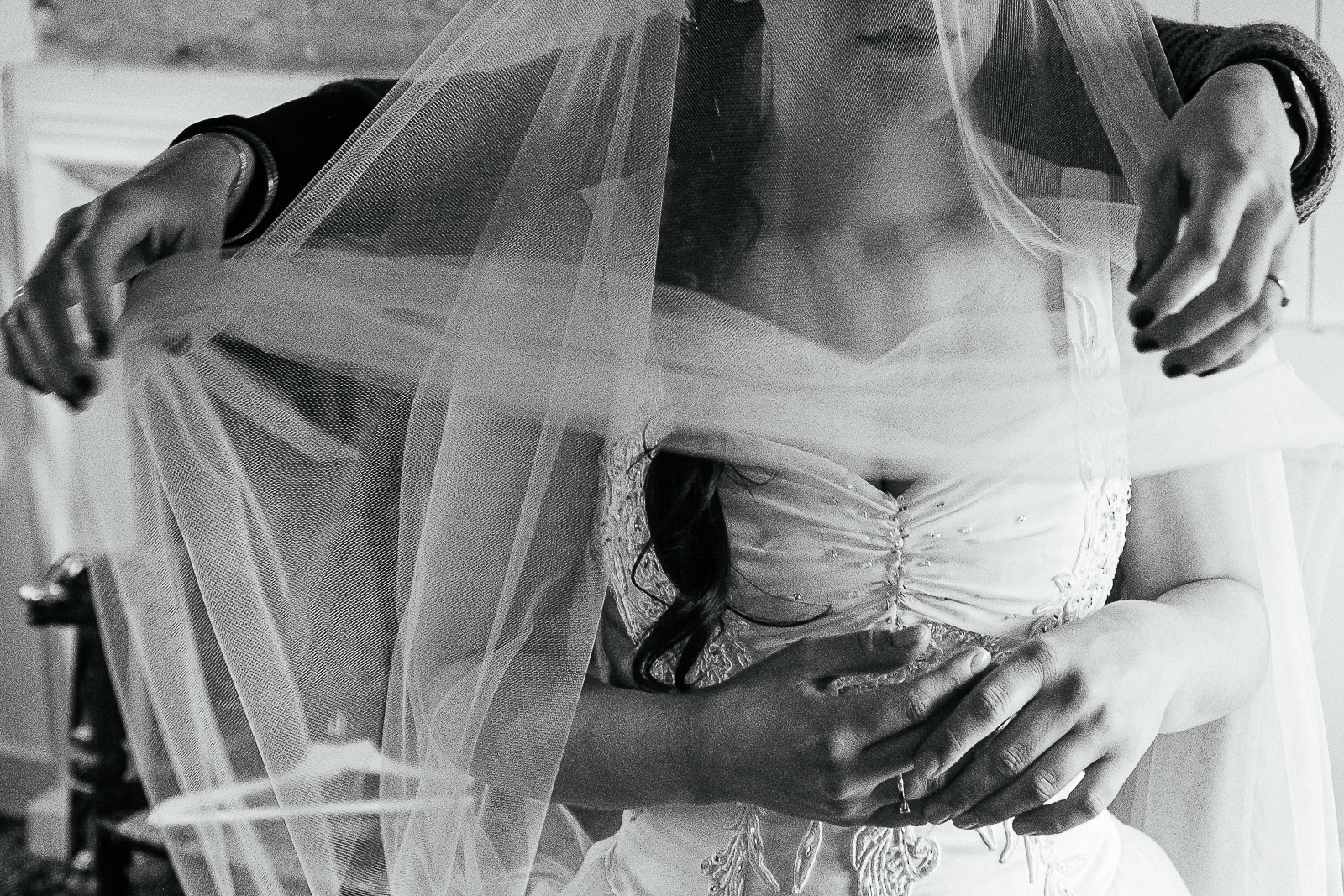
What Is Luxury Wedding Photography, Anyway?

How to plan a relaxed wedding day

Quiet Photography For Big Impact: A Manifesto on Being Unseen
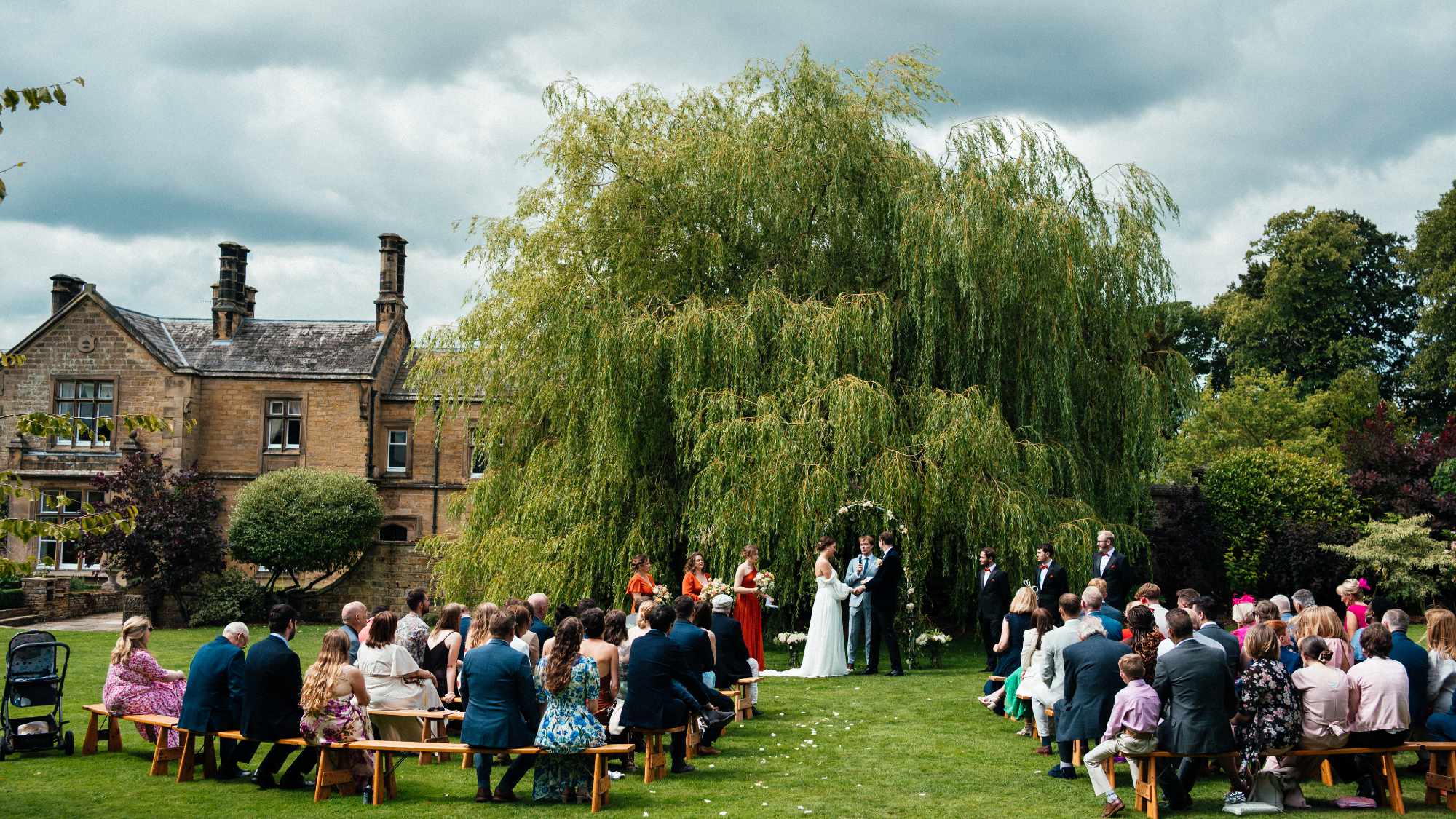
Outdoor Weddings Derbyshire
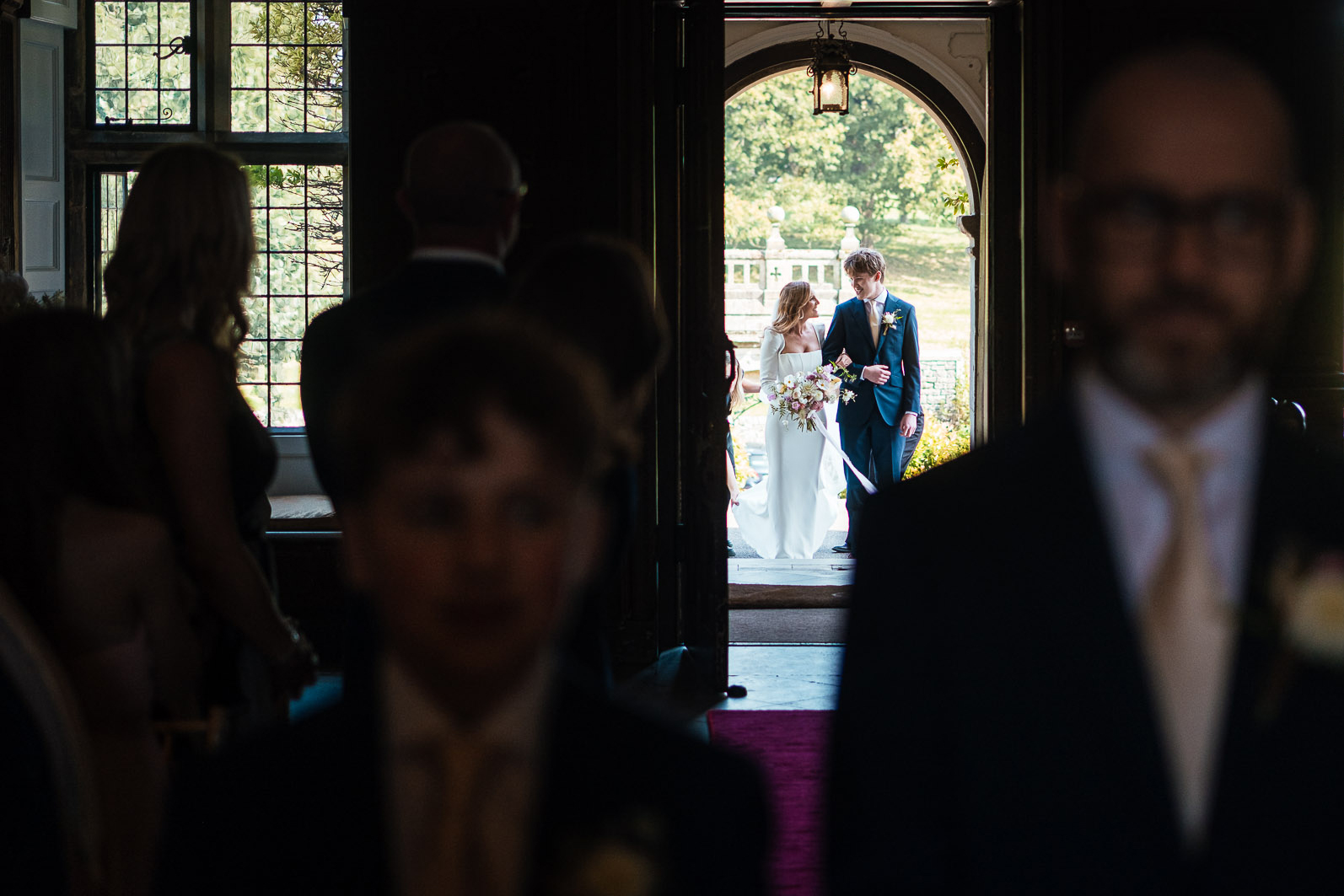
How Much Wedding Photography Do You Actually Need?
Simon’s Wedding Photography Predictions for 2026
What Documentary Wedding Photography Is (And Isn’t)
Best Derbyshire Wedding Venues
Why There Are No “Must-Have” Wedding Photographs

Gen Z Wedding Photography Trends
Things you need to know about Wedding Photojournalism before your wedding
Perfectly Imperfect Photography

Wedding First Dance Photography – Shooting without flash
Alternative Wedding Readings
Polaroid / instant film Wedding Photography
Group Formal Photos At Your Wedding – A Survival Guide