
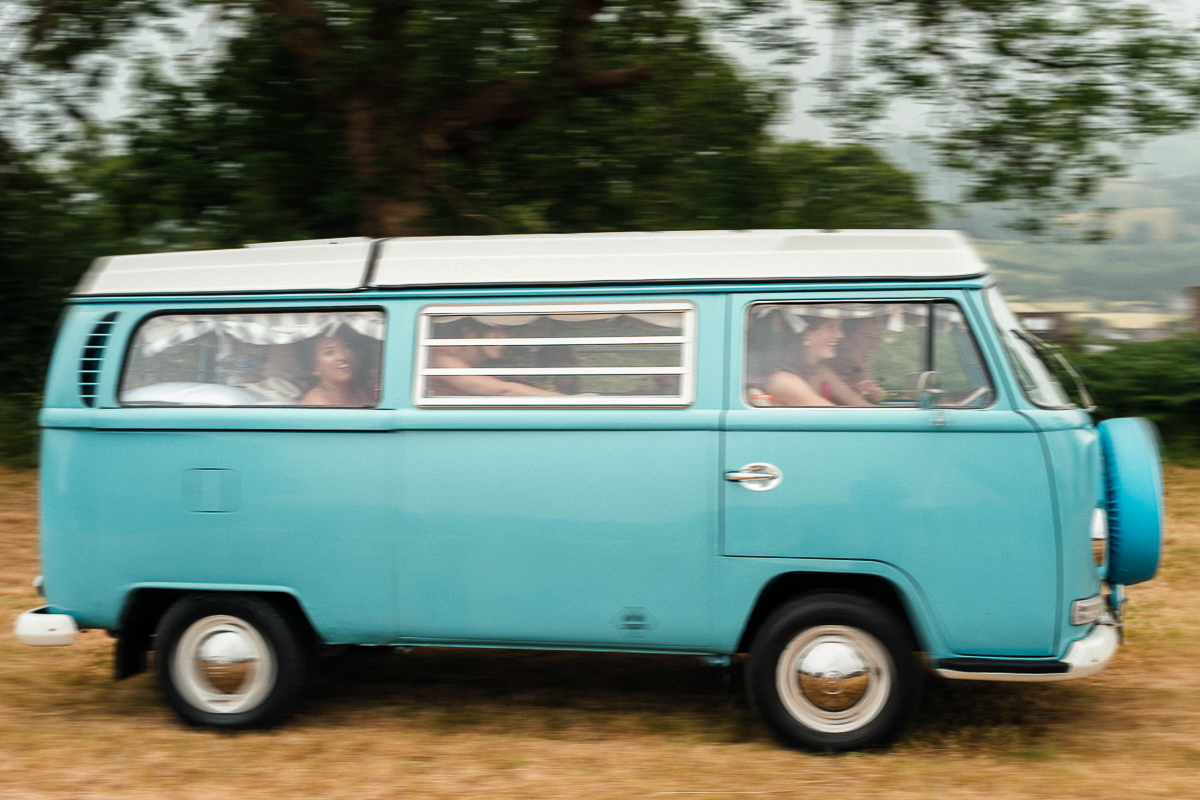
Why Shoot Film Informed Wedding Photography?
I get asked about analog film photography a lot. Honestly? I’m in two minds about it.
On one hand, I absolutely love the tactile process and the “vibe” of film. On the other hand, the actual cost of shooting a 10-hour wedding exclusively on 35mm or medium format is often, well, astronomical. Beyond the price, the technical risks involved give me a level of “cortisol spike” that I don’t think any couple wants their photographer to have on their wedding day.
So, I’ve developed a middle ground: Film-Informed Photography. It’s a look that embraces everything I love about the analog aesthetic—the grit, the grain, and the soul—without the heartbreak of a 50-year-old camera shutter jamming during your first kiss.
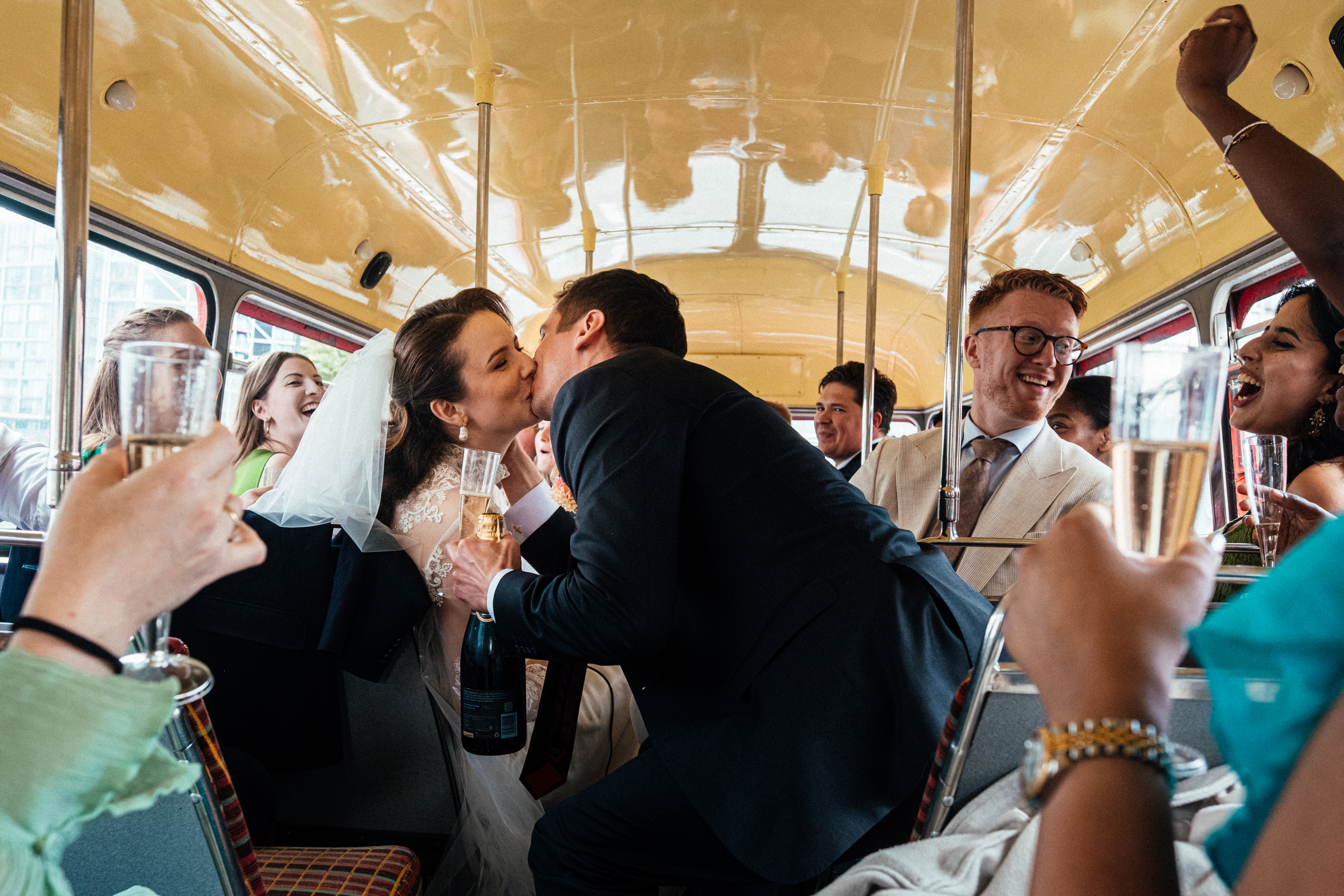
A brief history of my adventures in film photography
My love affair with film isn’t a new trend; it’s been a decade-long education.
-
-
- The Early Days: Around 2013, I picked up a Nikon FM (still arguably the best camera ever made) and spent hours in a tiny DIY darkroom at the old Dubrek Studios in Derby.
- The Deep Dive: More recently, I invested my entire annual education budget—about £2,000—into film stocks, vintage glass, and professional processing.
-
I didn’t do this to become a “film photographer.” I did it to understand the soul of film photography. I wanted to learn why a grainy, slightly blurry 35mm frame often feels more “real” than a mathematically perfect digital file.
You can find out more about that here.
Why I Don’t Shoot Weddings Exclusively on Film
There are so many reasons. The first is the cost is prohibitive. Other film photographers I know start their packages at about 5k, and considering the cost of film, processing and technical maintenance I certainly can see why. Especially shooting in a documentary style – there are going to be a lot of shots that don’t work out as intended, it’s just part of the process. To deliver a good quantity of quality images burns through a lot of film. When photographers shot film in the old days, they had to ask you to stand still and pose, and that totally clashes with my style.
The math is simple but brutal. To deliver the quantity and quality of images a modern documentary-style wedding requires, I’d have to charge upwards of £5,000 just to cover the film, lab fees, and gear maintenance.
Back in the “old days,” photographers made you stand still and pose because every click of the shutter cost money. That totally clashes with my documentary style. I want to be free to chase the light and the laughter without worrying if I’m “wasting” a £2 frame on a candid moment.

The Safety Factor: When I shoot digital, your memories are backed up instantly to two memory cards, then to my hard drive, and then to the cloud. I’ve had too many vintage cameras literally fall apart in my hands in the middle of a field to trust them with your once-in-a-lifetime moments.
The “Hyperfocus” Factor
I’m one of those people who thrives on hyperfocus. When I’m in the zone, I disappear into a heightened state of observation. It’s intense, and it’s where my best work happens.
Juggling different technologies—switching between digital sensors and mechanical film rolls—breaks that spell. It’s like putting diesel in a petrol car. By sticking to a “film-informed” digital workflow, I stay in the zone, focusing on what’s happening in the room rather than fumbling with light meters and reload speeds.
The Modern Darkroom
Many people don’t realize that the darkroom was half of the creative process. Without one, you’re handing your creative vision over to a lab technician.
By shooting digital but “thinking” in film, I am the darkroom. I spend hours dodging, burning, and pulling colors to get that authentic look. Digital gives me the “creative wiggle room” that film doesn’t:
-
-
- Skin Tone Inclusivity: Iconic films like Kodak Portra 400 are beautiful but were historically calibrated for lighter skin. Digital allows me to keep that warm aesthetic while ensuring everyone’s skin tone is represented accurately and beautifully.
- Low Light Freedom: I can shoot in a candlelit barn where film would simply fail, and then apply the grain and texture of a high-ISO film in post-production.
-
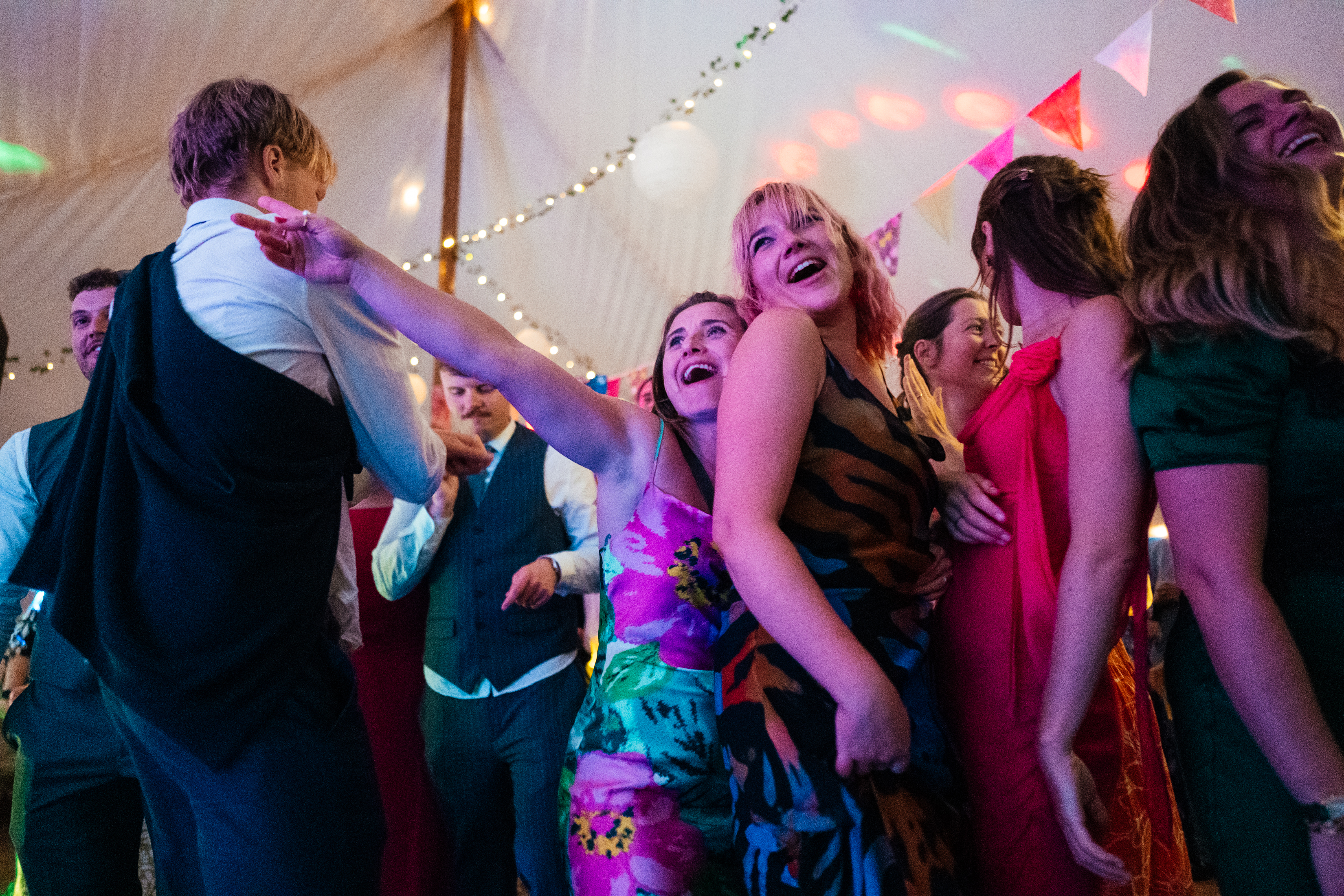
So, What is “Film-Informed” Photography?
It’s an aesthetic that chooses feeling over focus. It means:
Embracing Imperfection: Using lenses that flare beautifully and allowing for intentional motion blur.
Authentic Palettes: Mimicking the soft highlights and cool shadows of stocks like Fuji 400H or Kodak Tri-X.
The Power of Choice: I can take 36 “blurry” photos of a chaotic dance floor and curate the one that perfectly communicates the energy of the room.
In short, it’s a style for couples who want the nostalgia and “raw” feel of film, but want the security, inclusivity, and creative flexibility of the modern age.
It’s soul over pixels. Every single time.
Other film posts
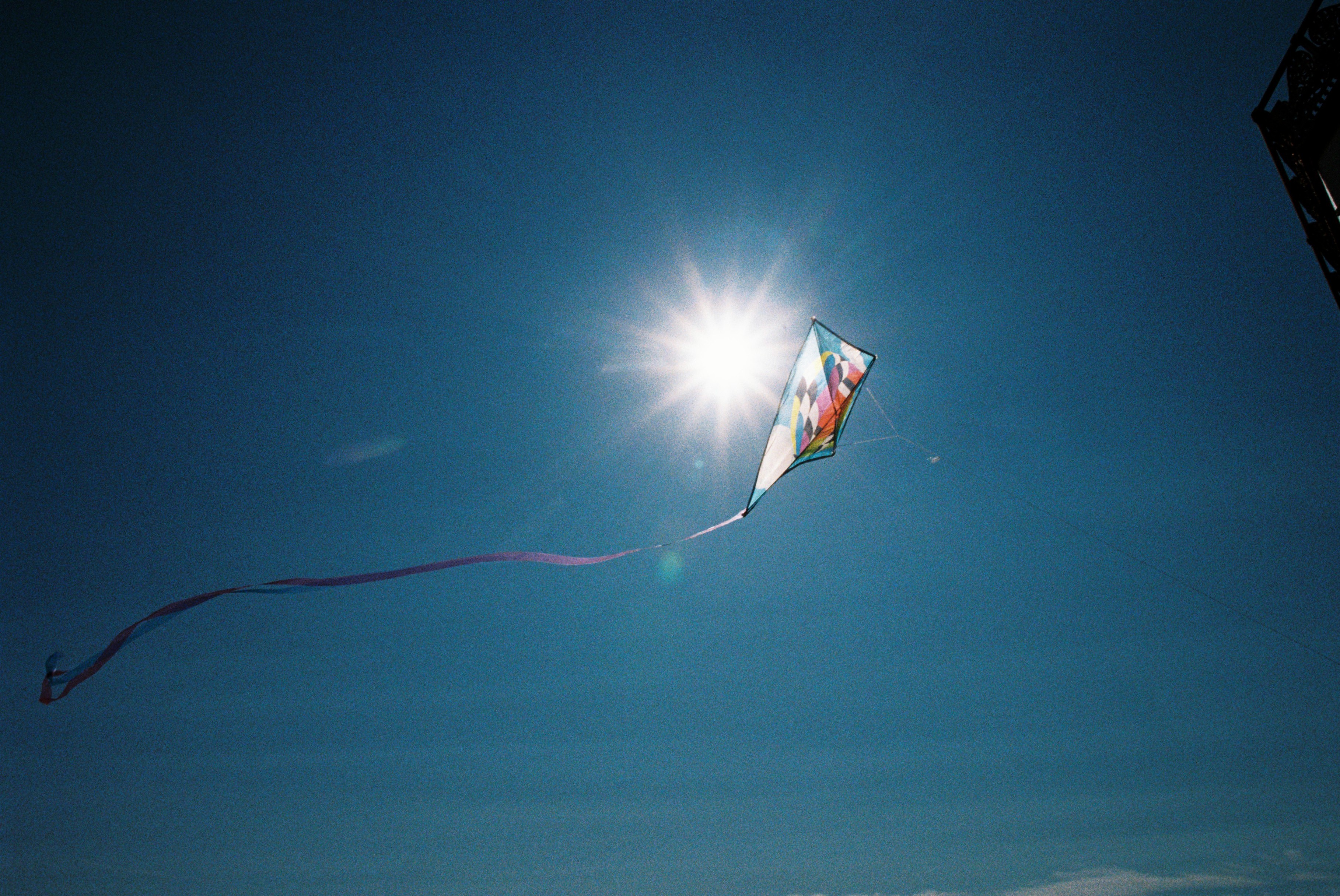
Adventures in Film Photography
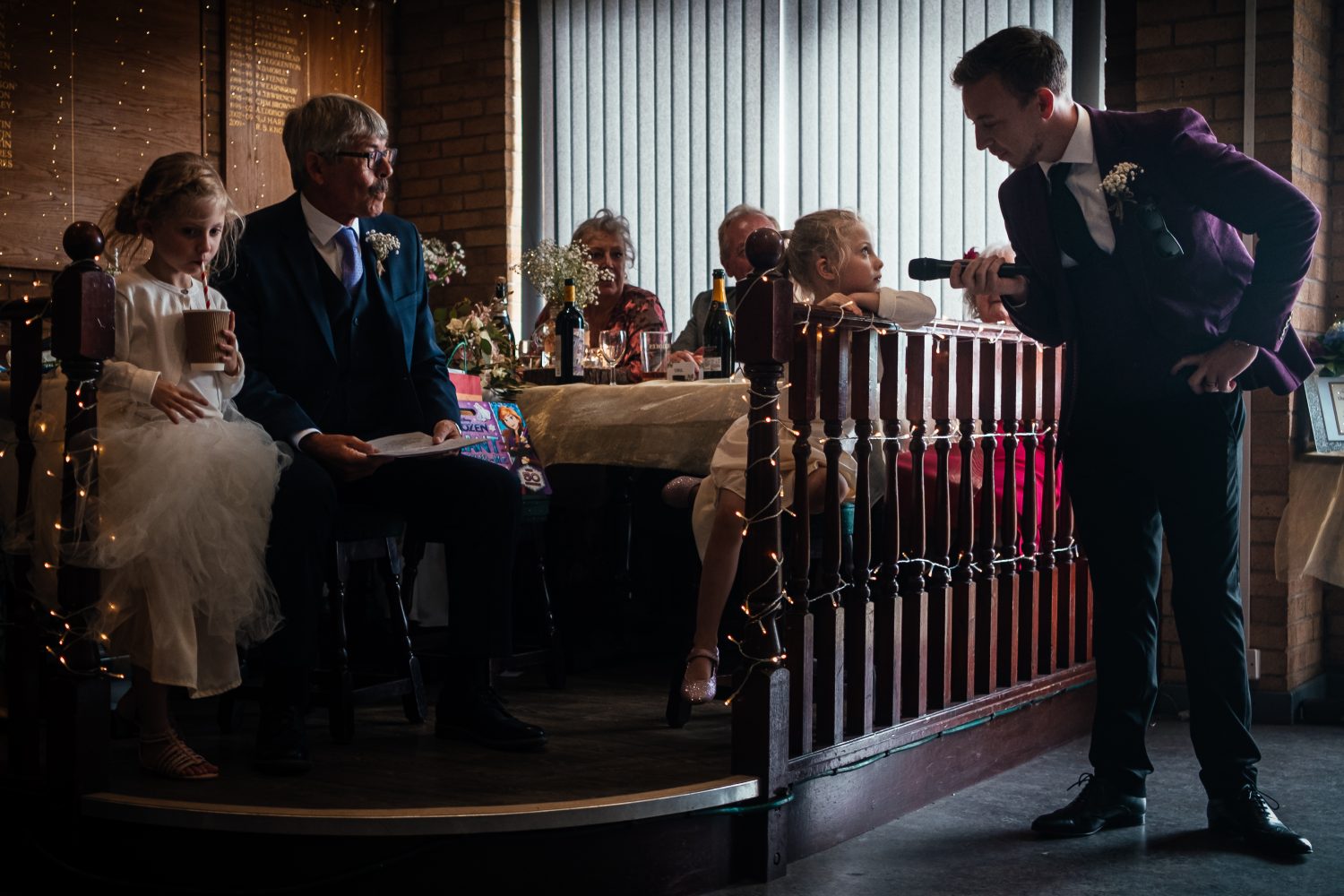
Finding Your Voice As A Photographer
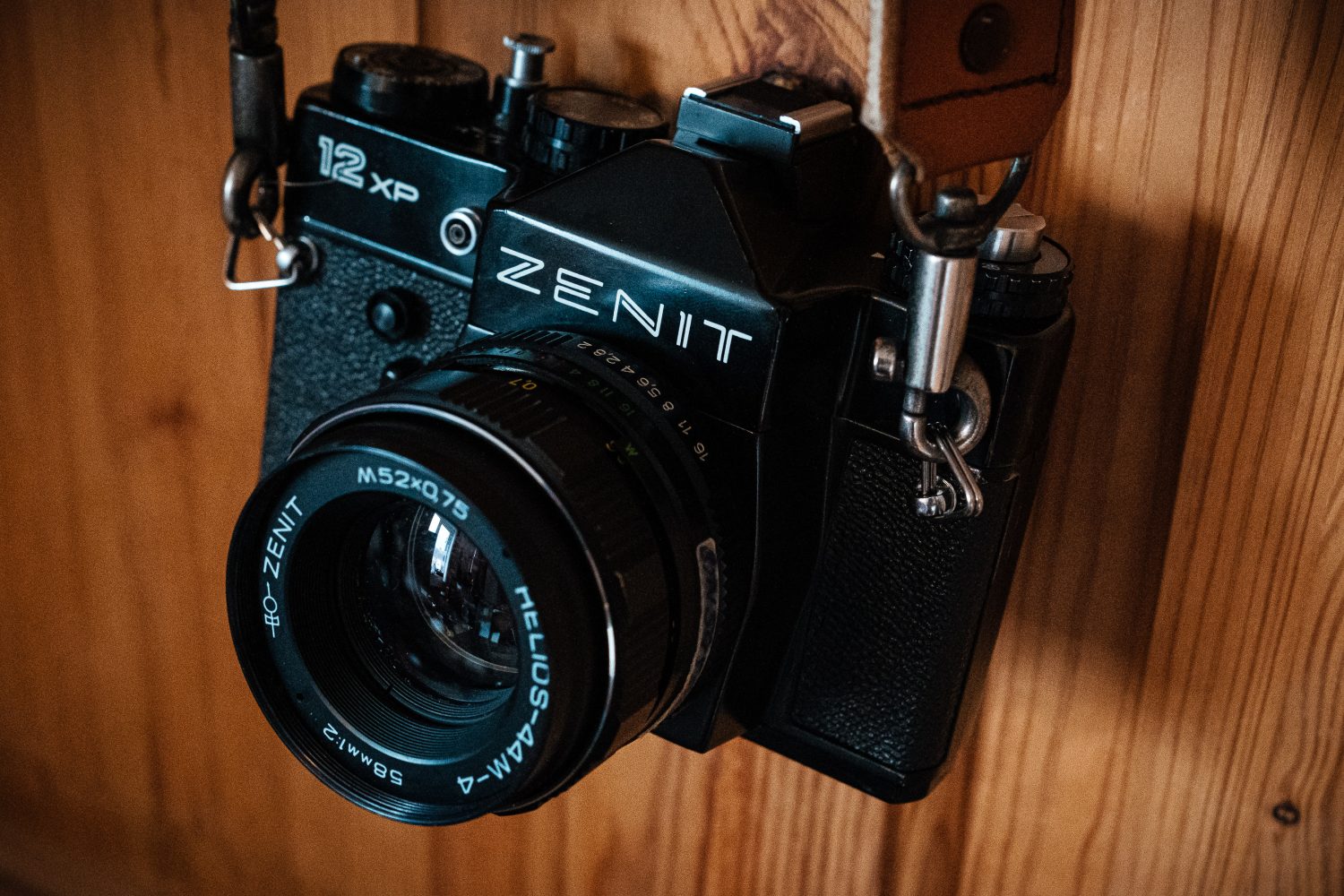
How to make your digital photos look like analogue film
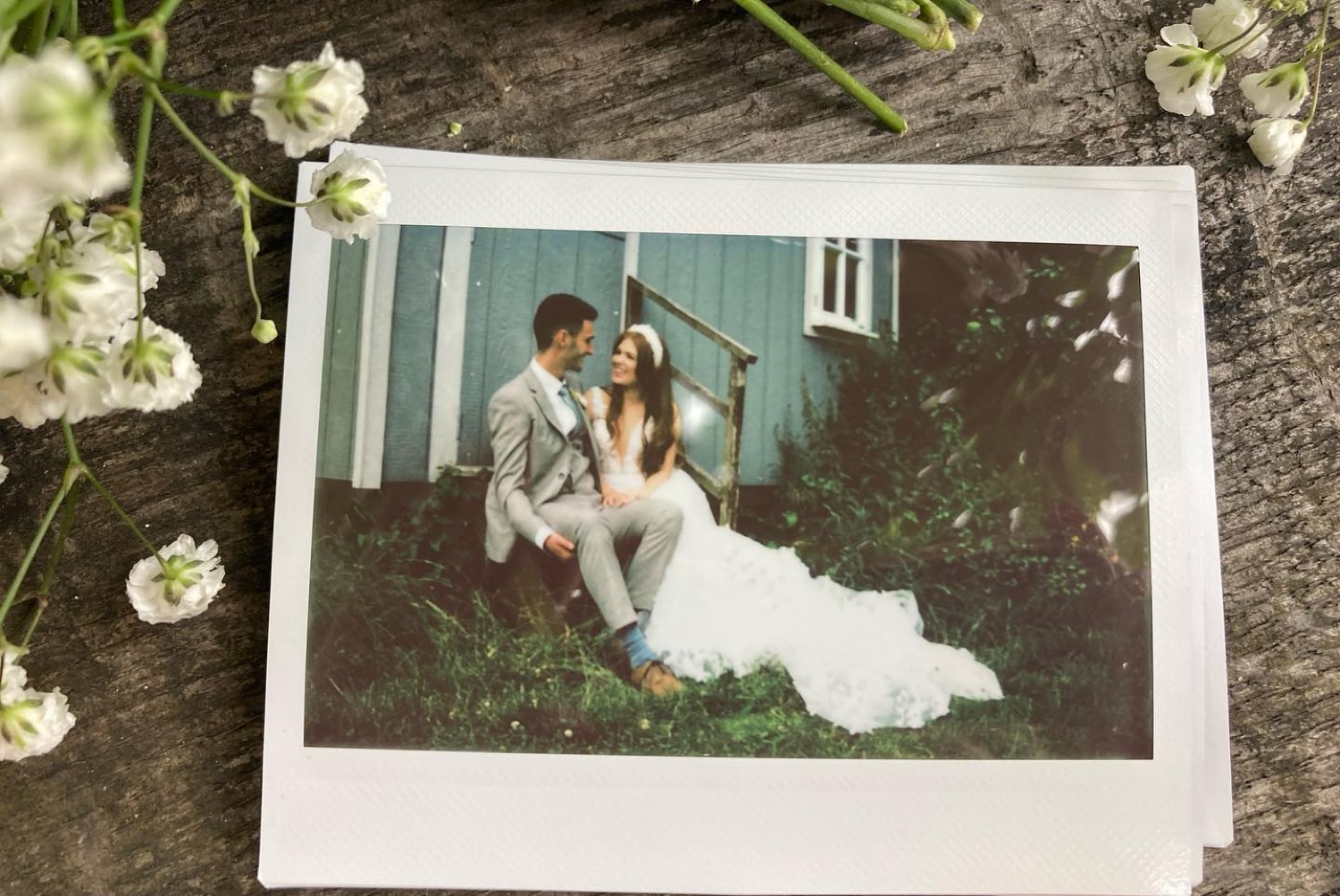
Polaroid / instant film Wedding Photography
Tired of seeing the same old wedding photos?
My couples tell me things like “We didn’t know you were there“, “The photos are totally us” and “Everytime we look through the photos we see something new”.
That stems from an intentional interaction with a wedding – sensitive to preserving the heart of it, but capturing the story, the atmosphere, the emotions and your people in multilayered photos that take you back to the beating heart of the day.
If you want that sort of magic from your wedding photography – download the brochure, get in touch and let’s start talking about what I can create for you.
