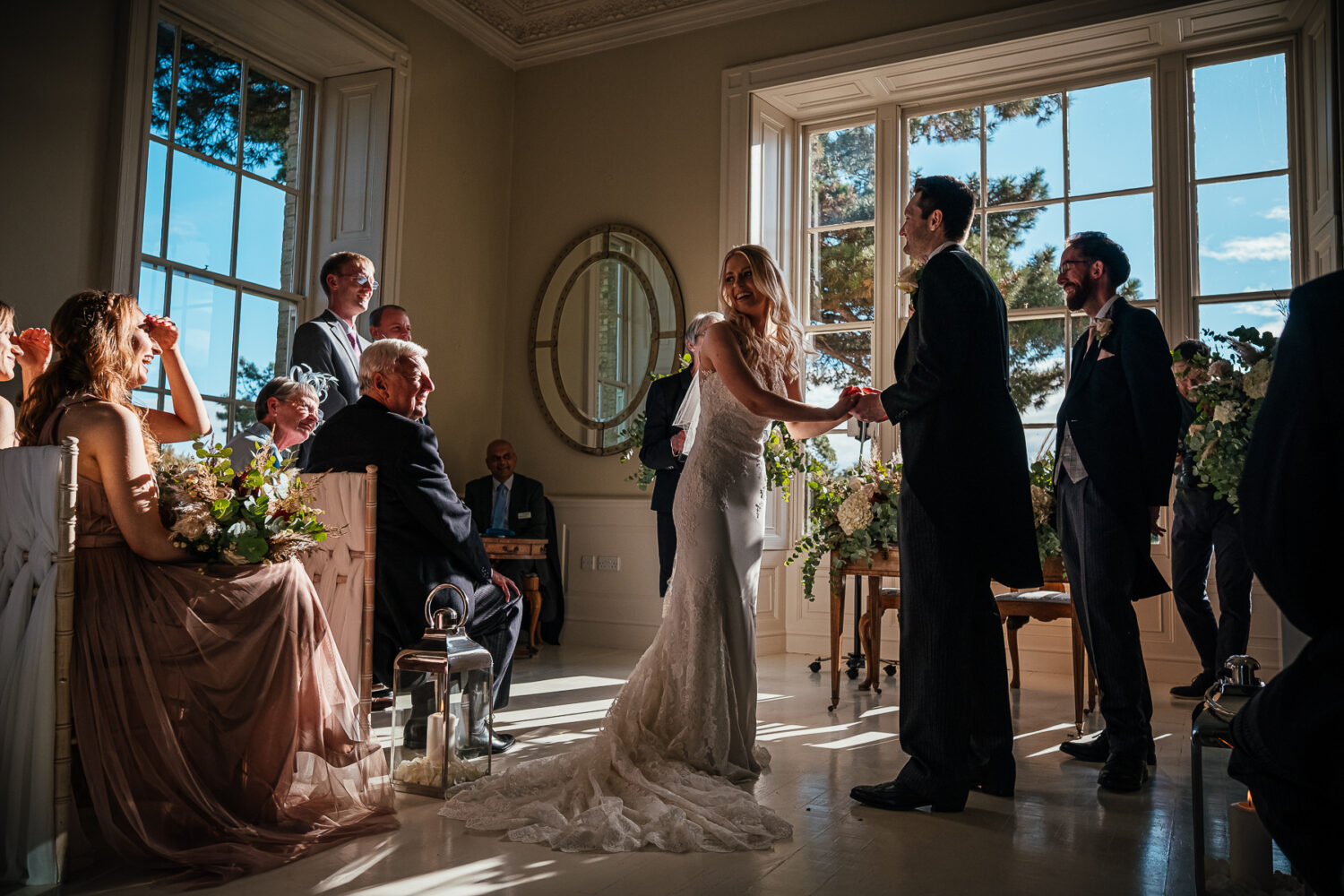

So you want to be a wedding photographer?
People ask me this a lot. More than I probably deserve. And I want to say first: it genuinely means something. The fact that you’ve looked at the work, felt something, and thought “I want to do that” is a real compliment. I don’t take it lightly.
But I also don’t want to send you off with vague encouragement and a pat on the head. So here is what I actually think, as honestly as I can say it.
You Can’t Just Arrive and Start Second Shooting
This is the one people get wrong most often. They’ve done some portrait sessions, maybe a few family shoots, they’ve bought a second camera body, and they reckon they’re ready to shadow a wedding photographer and get some experience.
The reality is that no photographer worth their salt is going to hand you a camera at their client’s wedding and hope for the best. Not because they’re gatekeeping. Because the stakes are too high. A wedding doesn’t have a retake. If you miss it, it’s gone. Permanently. And it’s the photographer who booked the job that has to face that couple, not you.
Trust has to be built before anyone puts a camera in your hands. That means starting at the bottom, and the bottom is not glamorous. It’s carrying bags. It’s helping keep the bridal party organised. It’s standing in the rain holding a reflector while the photographer works. It’s making yourself useful in every way that isn’t taking photographs, until the lead photographer knows how you move, how you read a room, how you handle pressure, and whether they actually want you there.
Do that a few times. Do it without complaint. Do it well. Then, maybe, you get handed a camera for the reception.
Who Do Photographers Actually Use As Second Shooters?
(You can read more about my philosophy on second photographers here, from the client perspective)
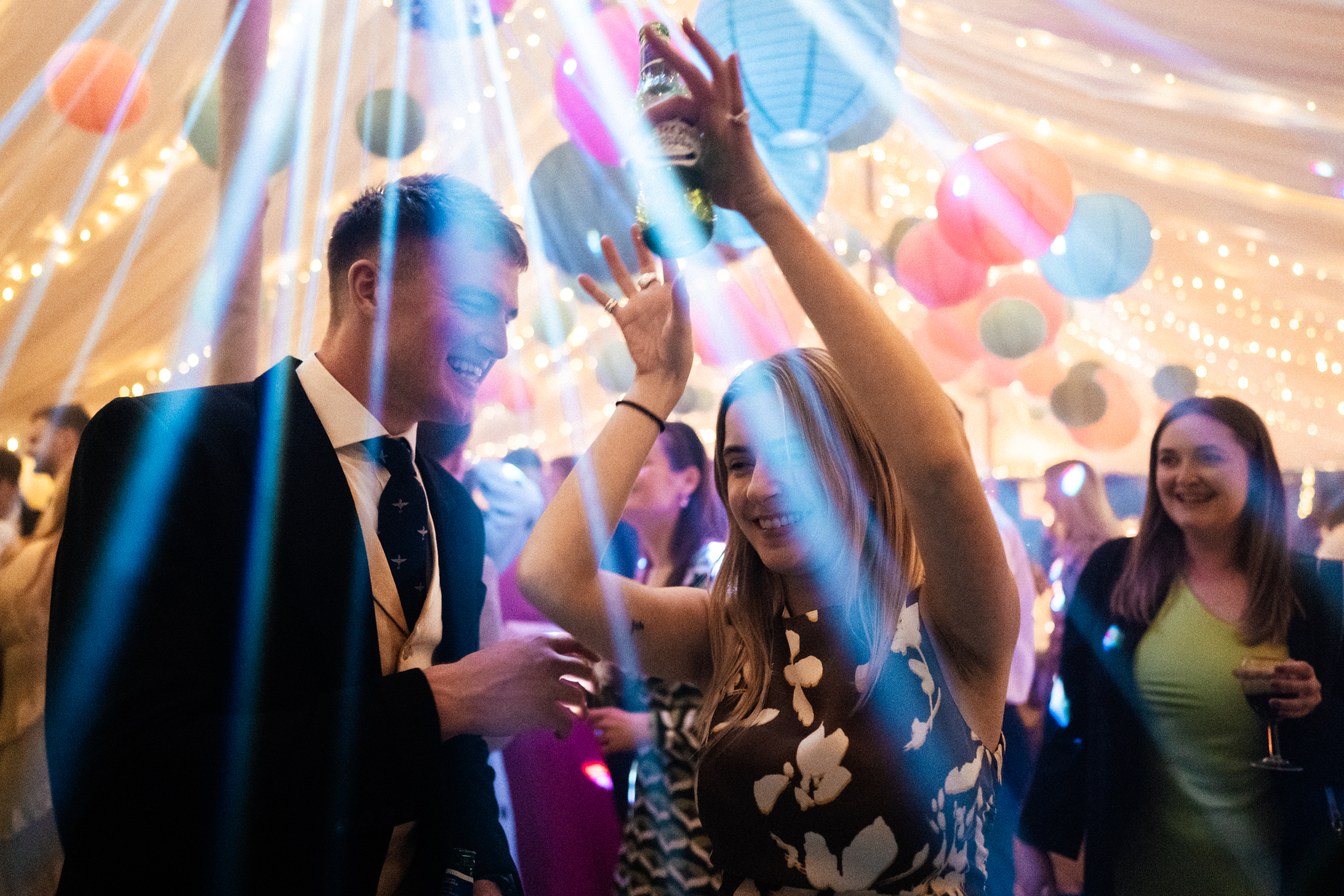
Mostly people they know and trust. Friends from photography courses. People they’ve met at industry events. Photographers they’ve shot alongside at a styled shoot or two. The wedding photography world is smaller than it looks from the outside, and reputation moves fast in both directions.
Second shooters are usually photographers who are trying to build their own businesses. The exchange is informal: the lead gets extra coverage, the second gets some images for their portfolio. Sometimes there’s a small fee involved, sometimes not.
Personally, I use other photographers at the top of their game. Peers who I’ve built relationships with over 15 years and counting in the wedding industry. I know I can trust them if I’m late to the church, to deliver the goods if I have a long list of group shots. (Or even do them for me!)
I second shoot for other peers too, it’s good money when you factor in the fact that you don’t have to do the editing, marketing or client facing side of a wedding. It’s also a great way to fill those gaps in your calendar.
It may also surprise you to know, that there are some great photographers I know that I’d never second shoot with (they wouldn’t let me) and I probably wouldn’t bring to a wedding. Our styles and approaches are just too different and once you’ve developed a strong voice, it doesn’t bend easily.
So you’re not going to find these opportunities by sending a cold email saying you’re available and keen. You’re going to find them by showing up, being useful, being easy to work with, and being patient.
Portfolio Days: Useful, With a Very Big Caveat
Styled shoots and portfolio days have become a proper industry. You pay (or sometimes just register) to photograph a mock wedding in a beautiful venue with a model couple who are both photogenic and infinitely patient. The light is perfect, the flowers are perfect, everyone is relaxed, and you get a set of images that look like a wedding but feel nothing like one.
That’s not a criticism of styled shoots. They’re a legitimate way to build a body of work when you haven’t shot real weddings yet. I understand why people do them.
The caveat is this: if every image on your website comes from a portfolio day, you’re setting an expectation that your real work will look like that. And it won’t. Real weddings are messy, fast, badly lit, emotionally chaotic, and genuinely wonderful. But the couple who booked you based on that studio-perfect portfolio are going to feel the gap.
Before you put styled work front and centre, ask yourself whether it looks like what you can reliably produce on an average wedding day in an average village hall with mixed weather and a vicar who keeps moving in front of the light. If the answer’s no, use the portfolio day work as a starting point, then replace it as fast as you can with the real stuff.
Actually Getting Your First Weddings
Reddit and Facebook are not glamorous, but they work. There are groups full of couples with small budgets who have been told photography costs what it costs, and they’re actively looking for someone newer who’ll do it for less. They know what they’re getting. They’re fine with it. They just want decent photos and someone who won’t let them down.
This is not a long-term pricing strategy. But It’s a starting point. Say yes to the low-budget bookings, treat them with the same care you’d treat a three thousand pound job, and use the results to build something real.
A few of those weddings, done properly, will give you more genuine portfolio material than a hundred styled shoots.
Photography Is a Business, Not Just a Craft
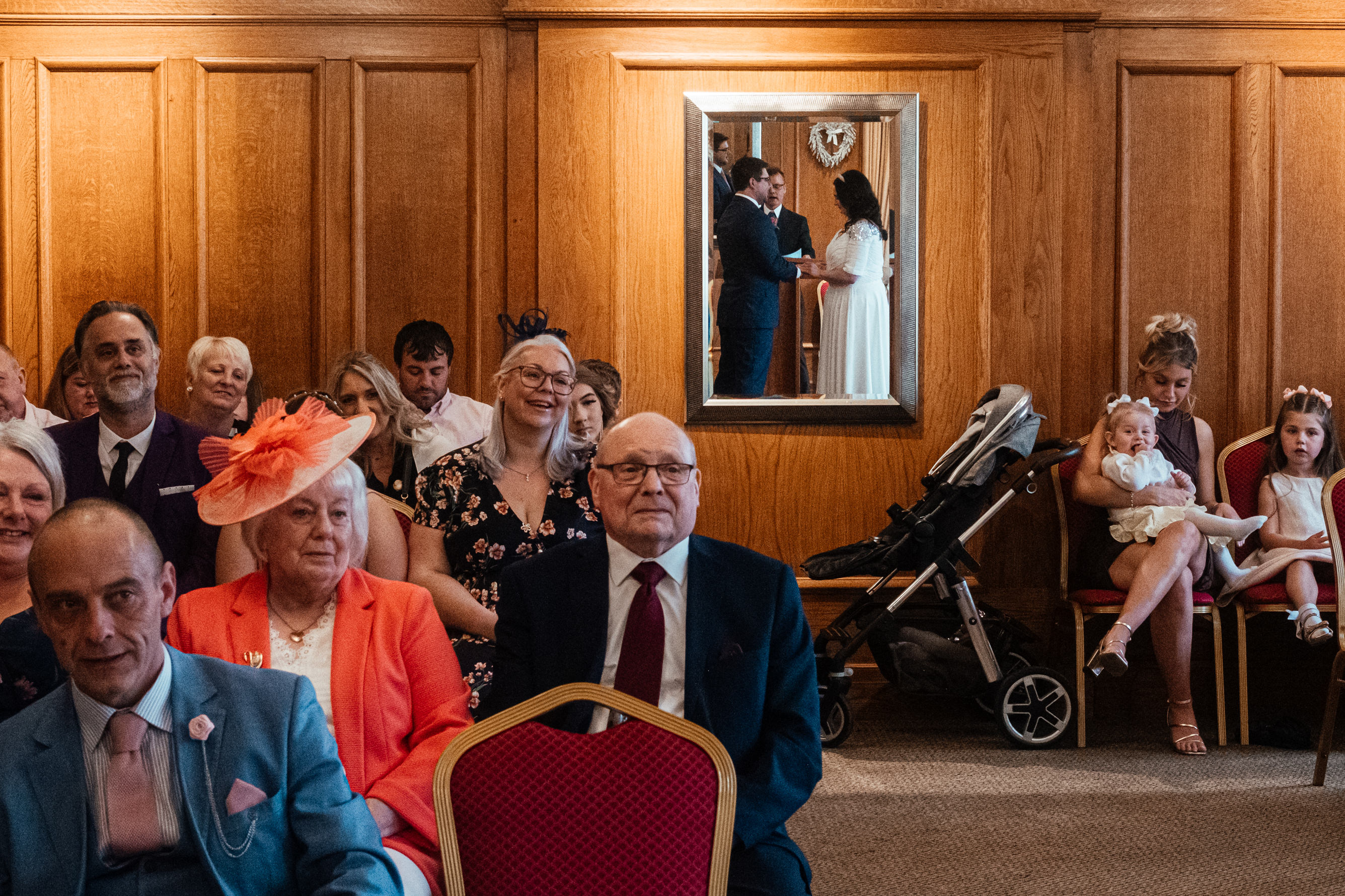
This is the bit that surprises a lot of people. The photography part of being a wedding photographer is maybe twenty percent of the job. The rest is finding clients, keeping clients happy, writing emails, doing accounts, building a website, staying visible on social media, networking with venues and florists and celebrants, and then doing it all again the following week.
Nobody tells you this at the start.
The photographers who build sustainable businesses are usually not the best photographers in their area. They’re the ones who work hardest at being found and trusted. Photography at a professional level is a marketing problem as much as a creative one.
So figure out where your other strengths are and use them. If you’re a good writer, blog properly and work on your SEO until you’re showing up when people Google wedding photographers in your area. If you’re good with design, make sure your brand looks like it belongs at the weddings you want to shoot. If you’re a natural at conversation and networking, get yourself to industry events, build relationships with other suppliers, and become the photographer everyone wants to recommend. If you understand social media, use it deliberately rather than just posting nice photos and hoping.
Most photographers are brilliant at the creative side and terrible at shouting about it. Work out which bit you’re actually good at, and put energy there.
A Few Other Things Worth Knowing
Get your contracts and insurance sorted before you shoot anything for money. This is not optional. It takes an afternoon and it protects everyone.
Learn your gear properly before you point it at a wedding. Being able to shoot well in low light, quickly, without faffing about in your menu settings, is the whole game.
Find other photographers at your level and talk to them. The ones a few years ahead of you are an incredible resource too, if you approach them well and don’t expect free mentorship without any give in return.
And be patient. Genuinely patient. Building a wedding photography business from zero takes years. The ones that look overnight are usually just the public-facing part of a long, unglamorous grind that nobody photographs.
I’m flattered that people think to ask me. I really am. But the honest answer is always the same: start at the bottom, build slowly, be someone people want to work with, and treat the business side as seriously as the creative side.
The rest follows. Eventually.
For Photographers
Nothing To Do With Wedding Photography
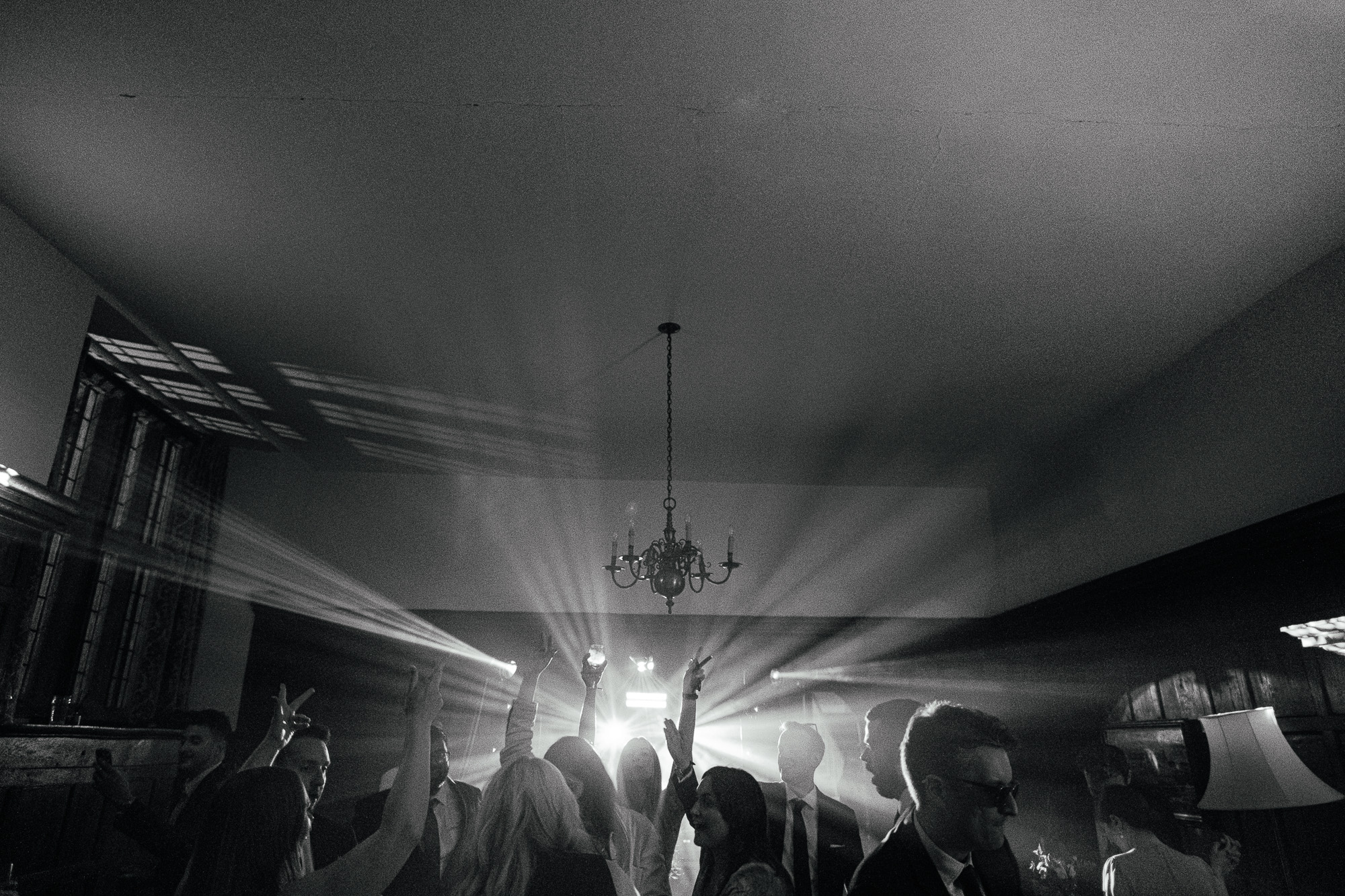
So You Want To Be a Wedding Photographer?
Bokeh is Lying to you
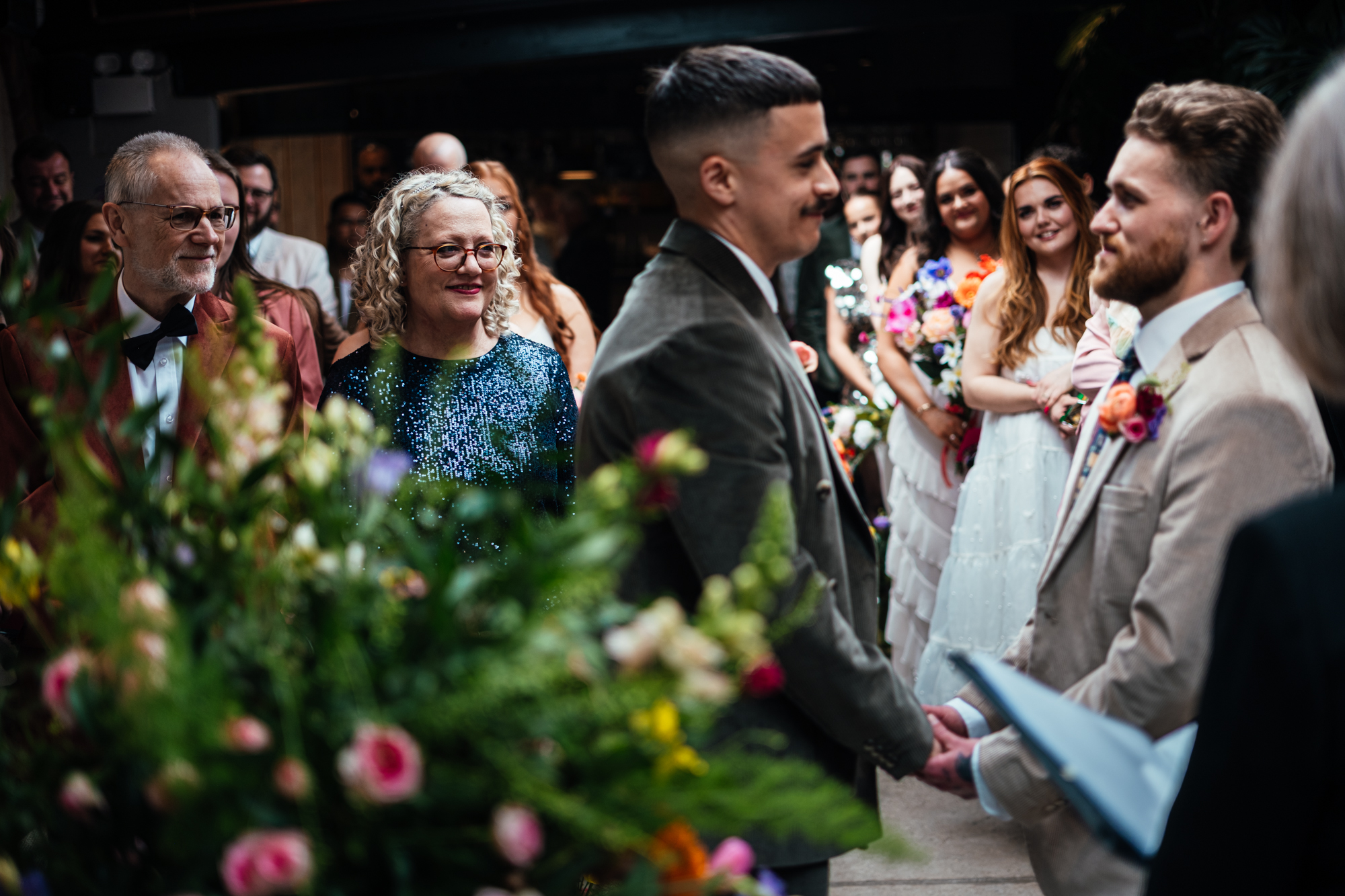
Simon’s Wedding Photography Predictions for 2026
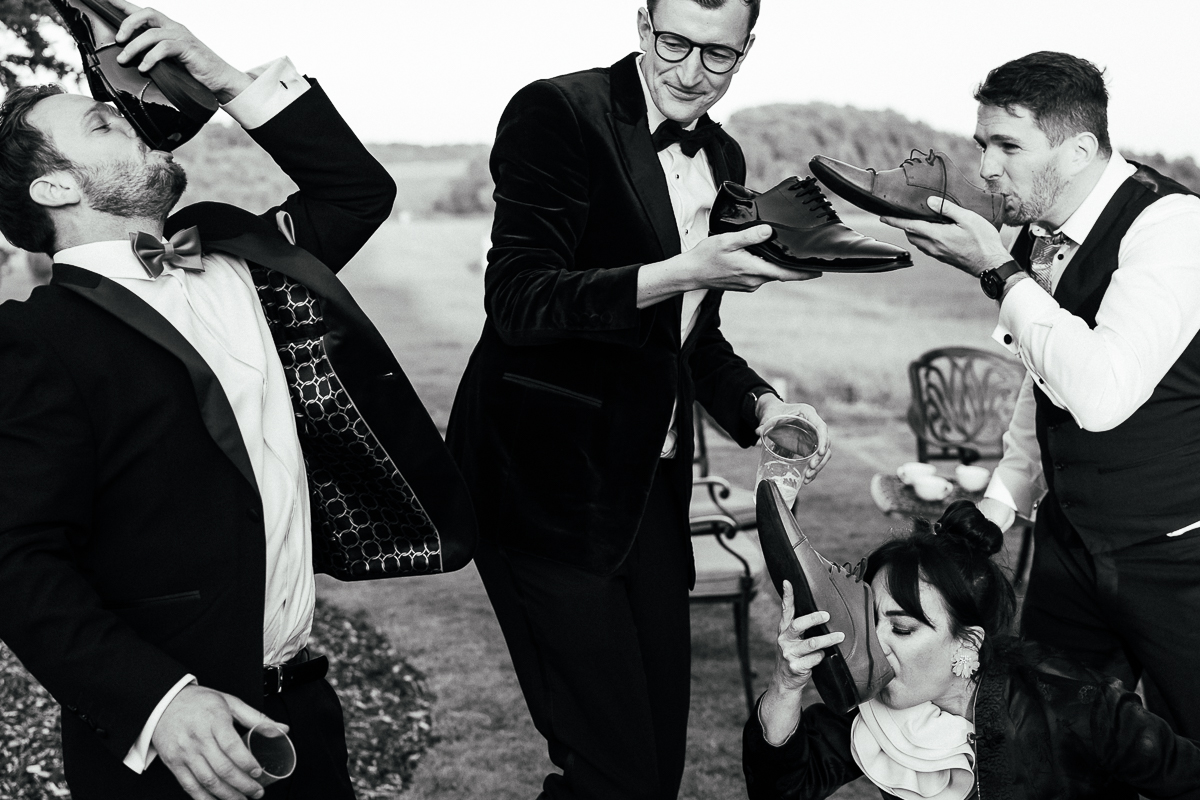
Documentary Wedding Photography Tips
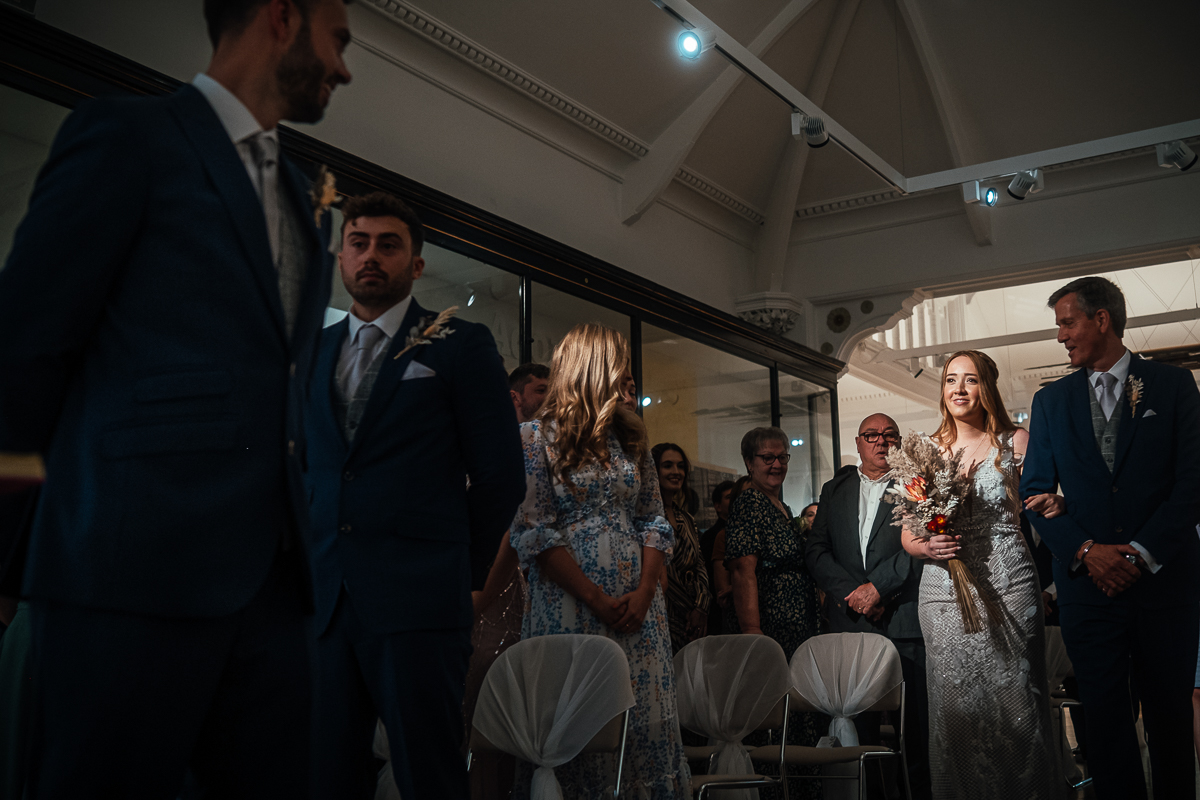
Natural Light – Documentary Wedding Photography Without Flash
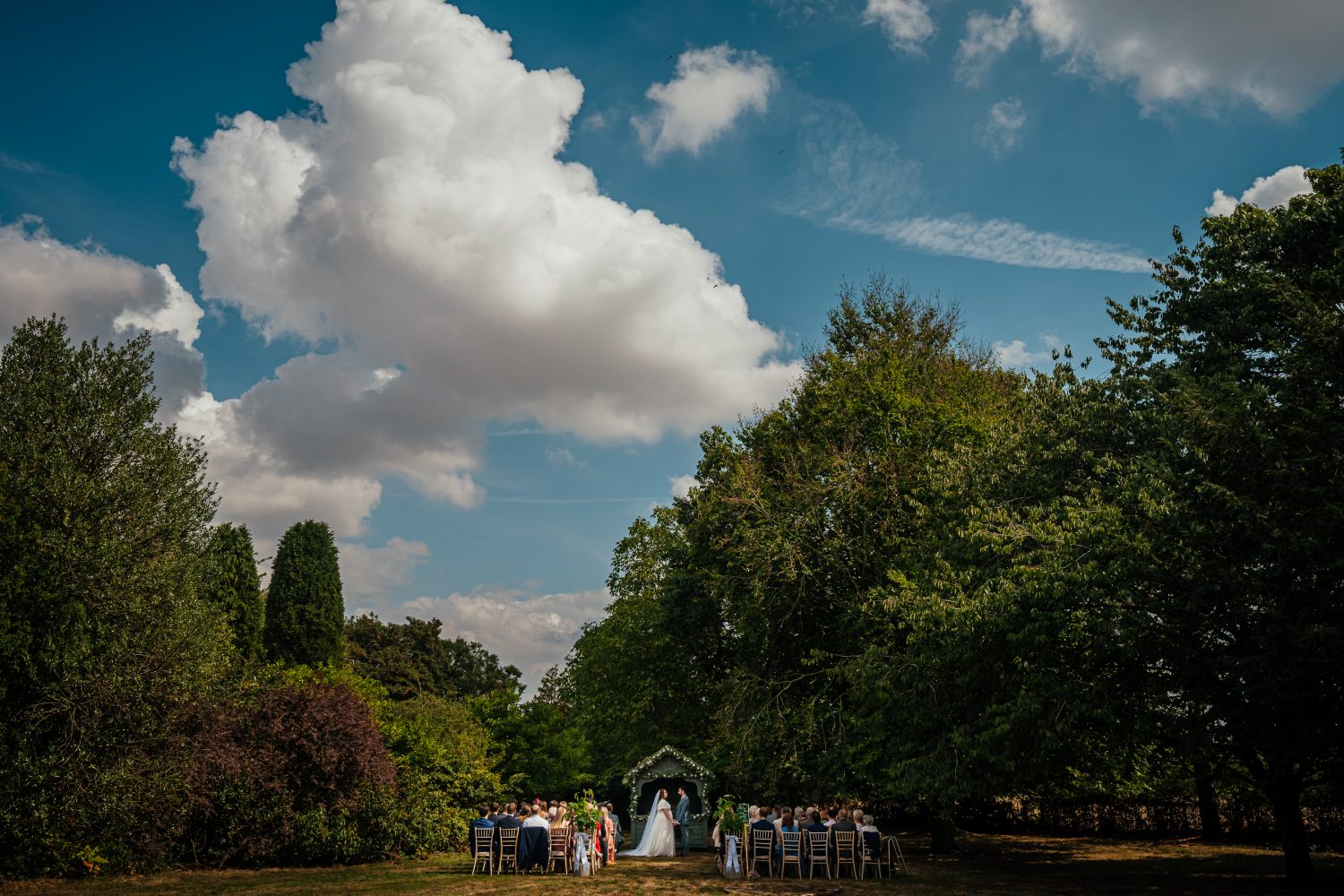
Cinematic Wedding Photography
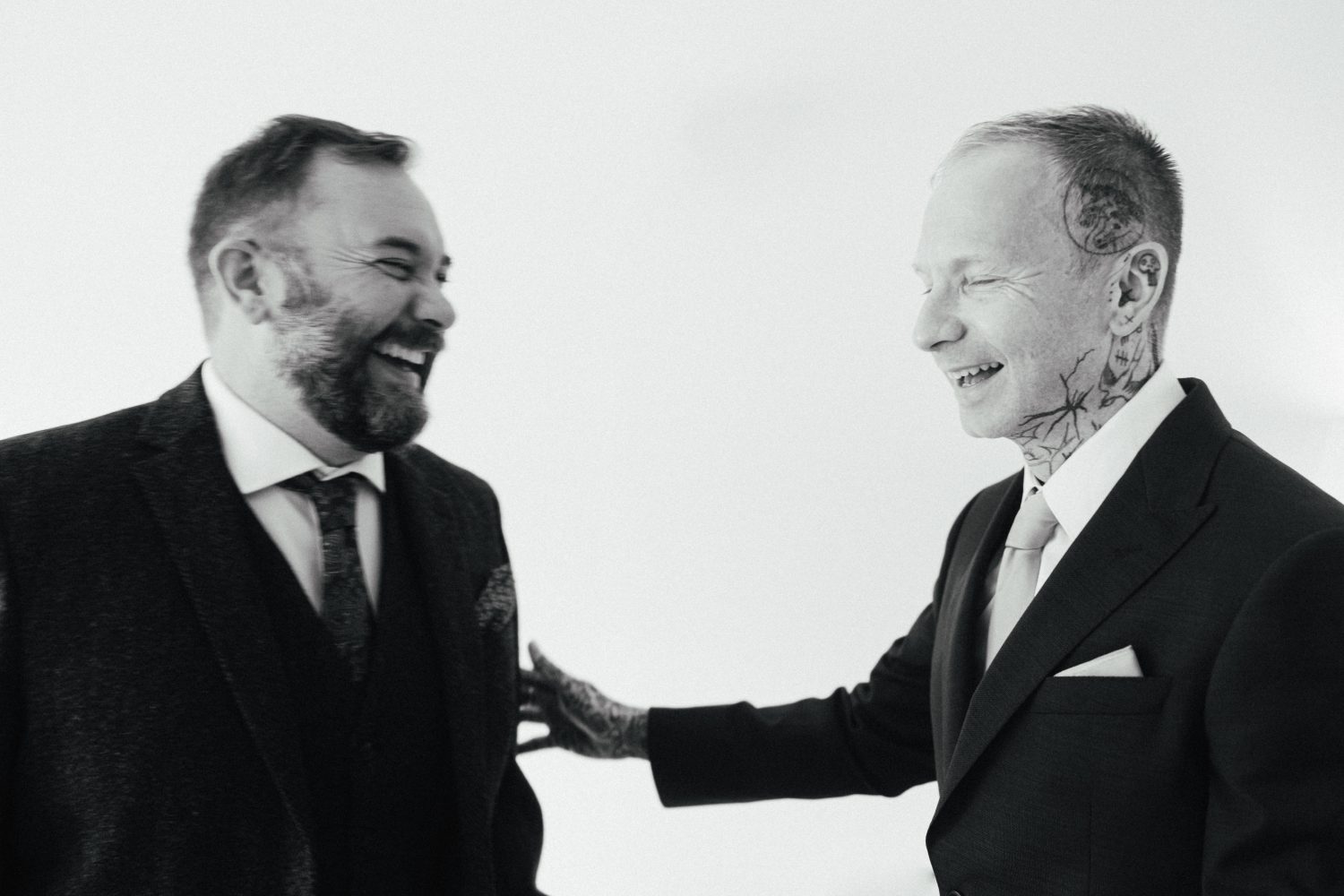
Perfectly Imperfect Photography
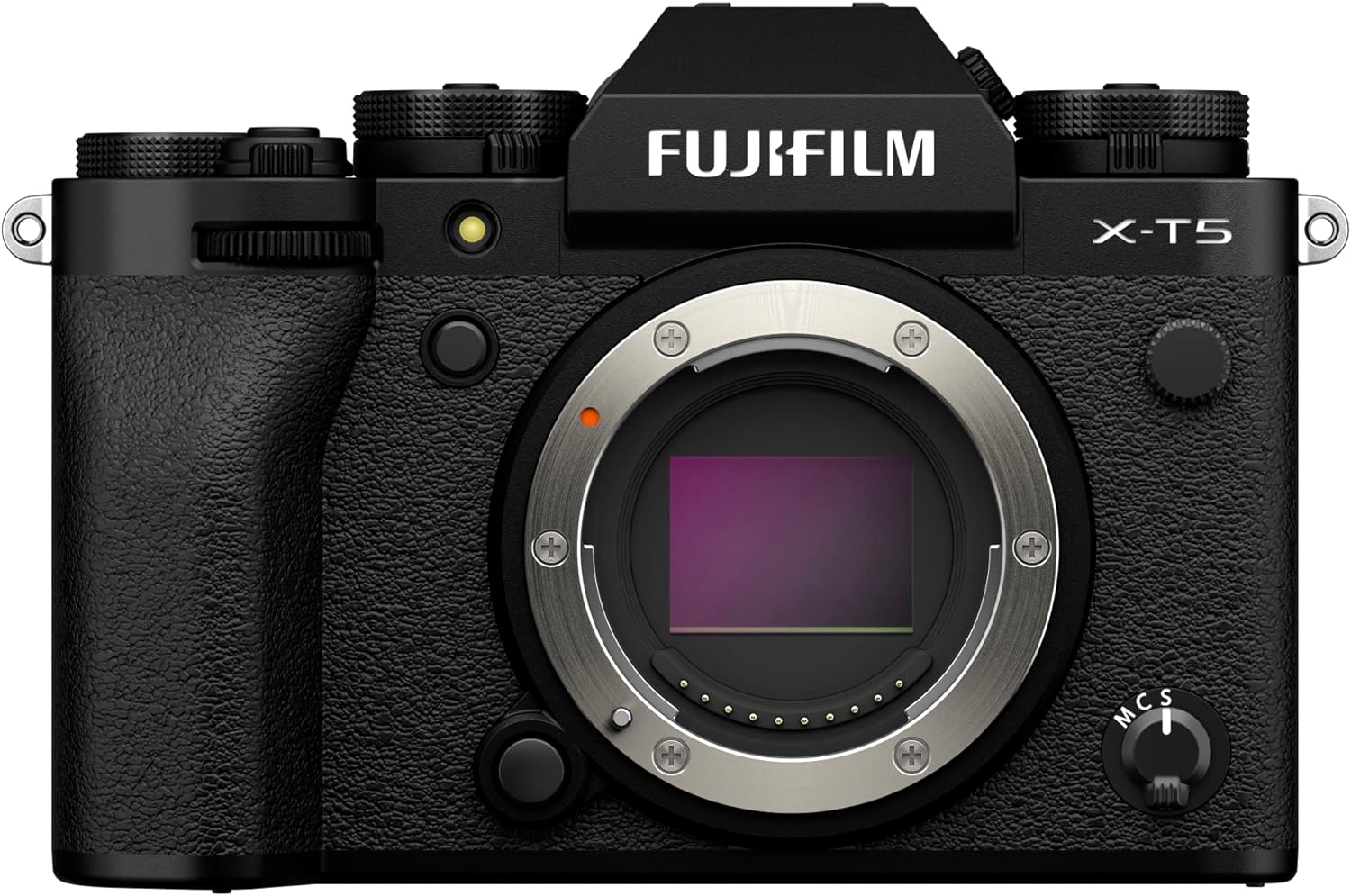
Weddings With The Fuji X-T5
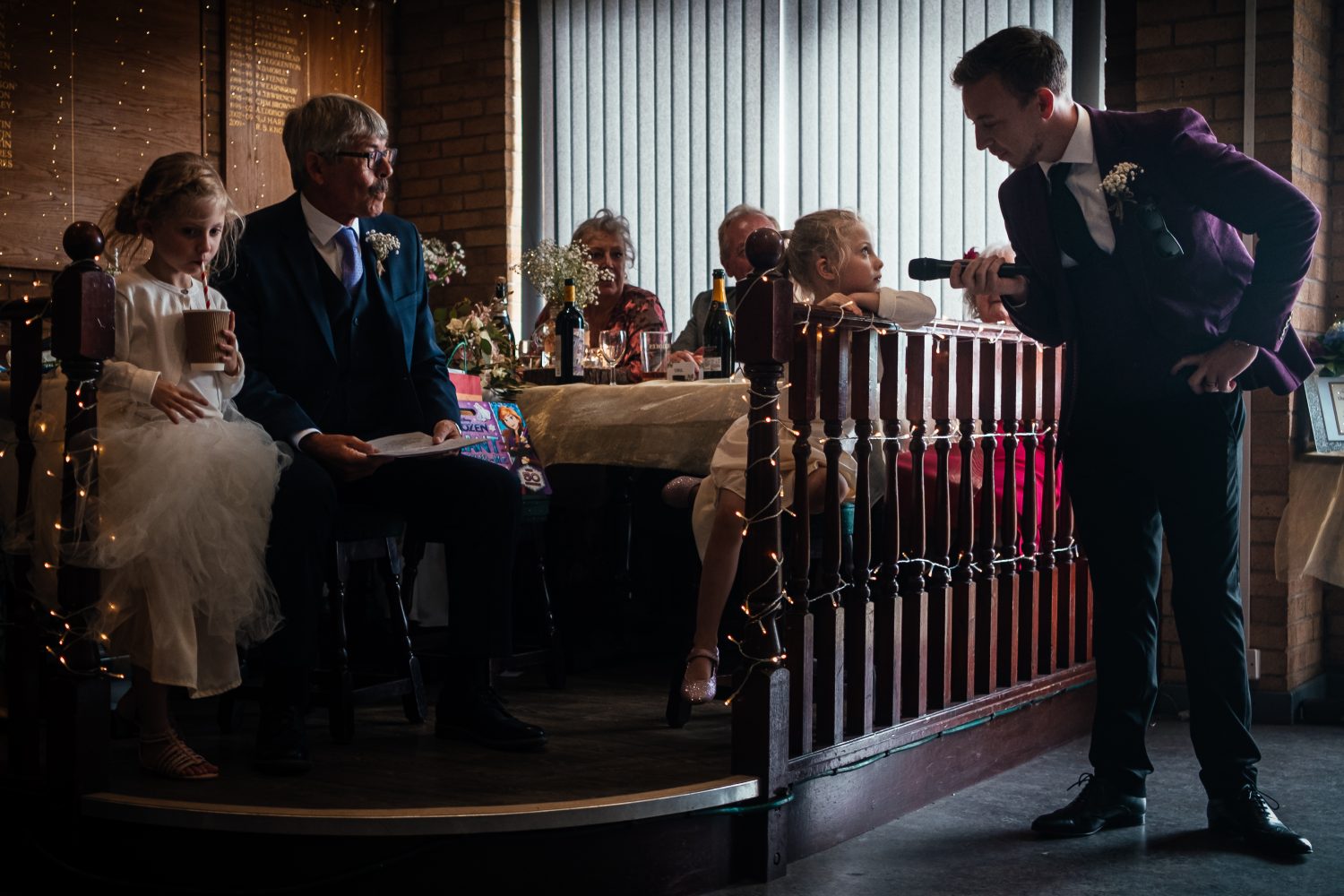
Finding Your Voice As A Photographer
How to make your digital photos look like analogue film
Wedding Dance Floor Photographer