
Cinematic Wedding Photography: Beyond the Bokeh
Most people think “cinematic wedding photography” is just a fancy way of saying “blurry backgrounds” or “expensive filters.”
But to me, it’s much deeper than that. My love of street photography and my obsession with classic cinematography have taught me one thing: A cinematic image isn’t something you pose; it’s something you observe.
If you’re looking for a wedding gallery that feels like a series of stills from an A24 film—raw, atmospheric, and unscripted—then we’re on the same page. Here is how I use cinematic principles to tell your story.
1. The Power of Composition (The “Street” Influence)
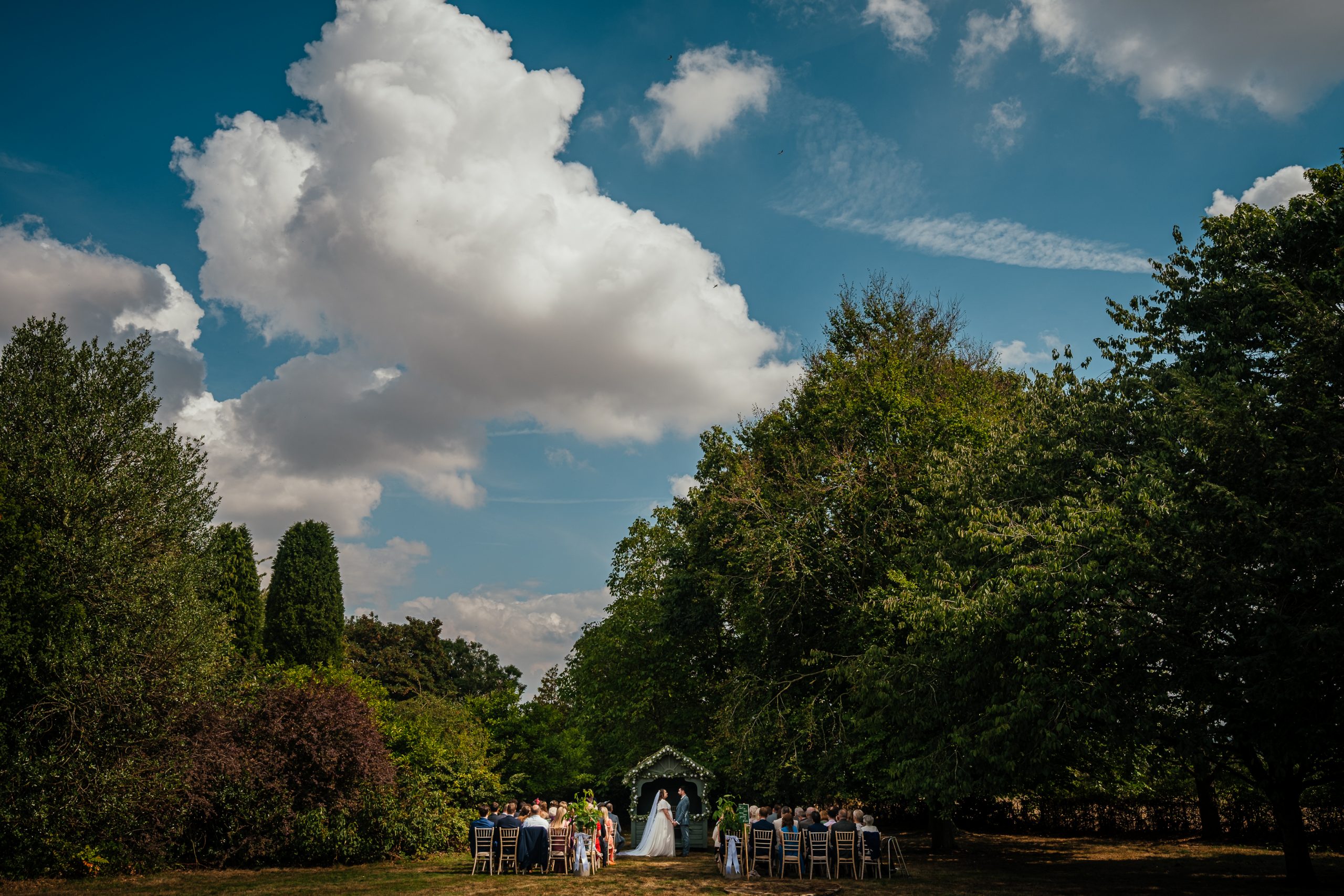
In cinema, the “frame” tells you how to feel. I don’t just point the camera at the cake; I look for Leading Lines in the architecture of venues like The West Mill, or Negative Space that makes a quiet moment between a couple feel epic.
- Always look for an interesting composition: Composition is always a storytelling exercise. How do I tell this story in a clean and appealing way?
-
The “Wide” and the “Tight”: Just like a director, I balance wide-angle “establishing shots” of your venue with tight, intimate “macro” shots—the way your hand rests on a shoulder or the light hitting a glass of champagne.
-
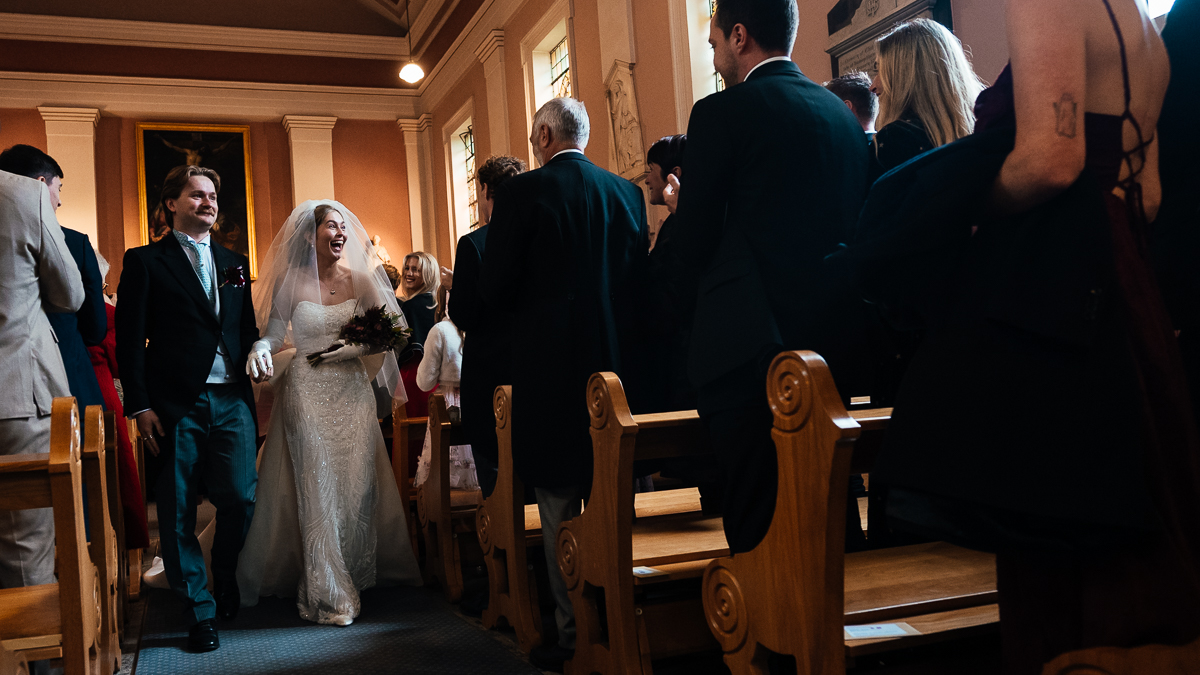
Layering: I love shooting through things doorways, crowds, or foliage, creating frames or dirty frames (where the foreground is often out of focus and enigmatic). It gives the viewer the feeling of being an observer, making the photos feel candid and “street,” rather than a staged photoshoot.
2. Storytelling: The Narrative Arc
A wedding isn’t a list of events; it’s a narrative. Cinematic photography is about the “In-Between Moments.” It’s the nervous deep breath before the doors open, or the blurred movement of the dance floor at 11 PM.
My goal is to create a gallery that has a Narrative Flow. When you look back at your photos, it shouldn’t feel like a slideshow of “best hits”—it should feel like a cohesive film where the tension, the joy, and the quiet lulls all play their part.
3. Dramatic Light: Embracing the Shadows
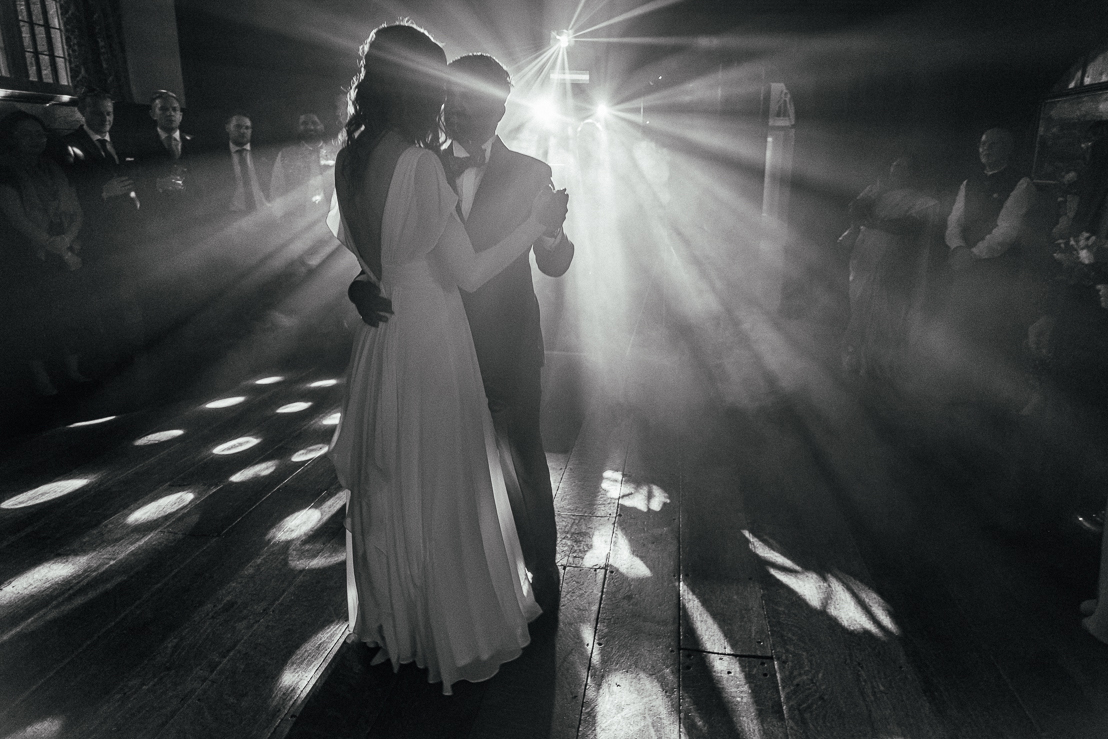
This is where I differ from many traditional wedding photographers. I don’t “fix” the light with heavy flash rigs. I chase the light that is already there.
Inspired by the Chiaroscuro (the contrast between light and dark) found in 70s cinema—think the moody, golden-hued interiors of The Godfather—I look for:
-
Side-lighting that adds depth and texture to a portrait.
-
Natural silhouettes against a bright window.
-
Grain and “Mood”: I’m not afraid of a bit of digital grain. In a cinematic world, “perfectly polished” is boring. I prefer “perfectly atmospheric.”
My Cinematic Influences: Why My Voice is Different
My style isn’t an accident; it’s a result of years of watching how directors like Roger Deakins or Wong Kar-wai use light and colour to evoke emotion.
When I’m at your wedding, I’m thinking about the “Colour Palette” of the day. I’m looking for those analog, filmic tones that make a photo feel timeless rather than trendy. I want your wedding photos to feel like they could have been taken in 1974 or 2024—the hallmark of a true cinematic classic.
Tips for Capturing the Cinematic Look
If you’re a couple (or a fellow photographer) wondering how to lean into this style, here are my six golden rules:
-
Forget the Camera exists: The most “cinematic” moments happen when you aren’t performing for the lens. Keep your eyes on each other, laugh at the mistakes, and let the day breathe.
-
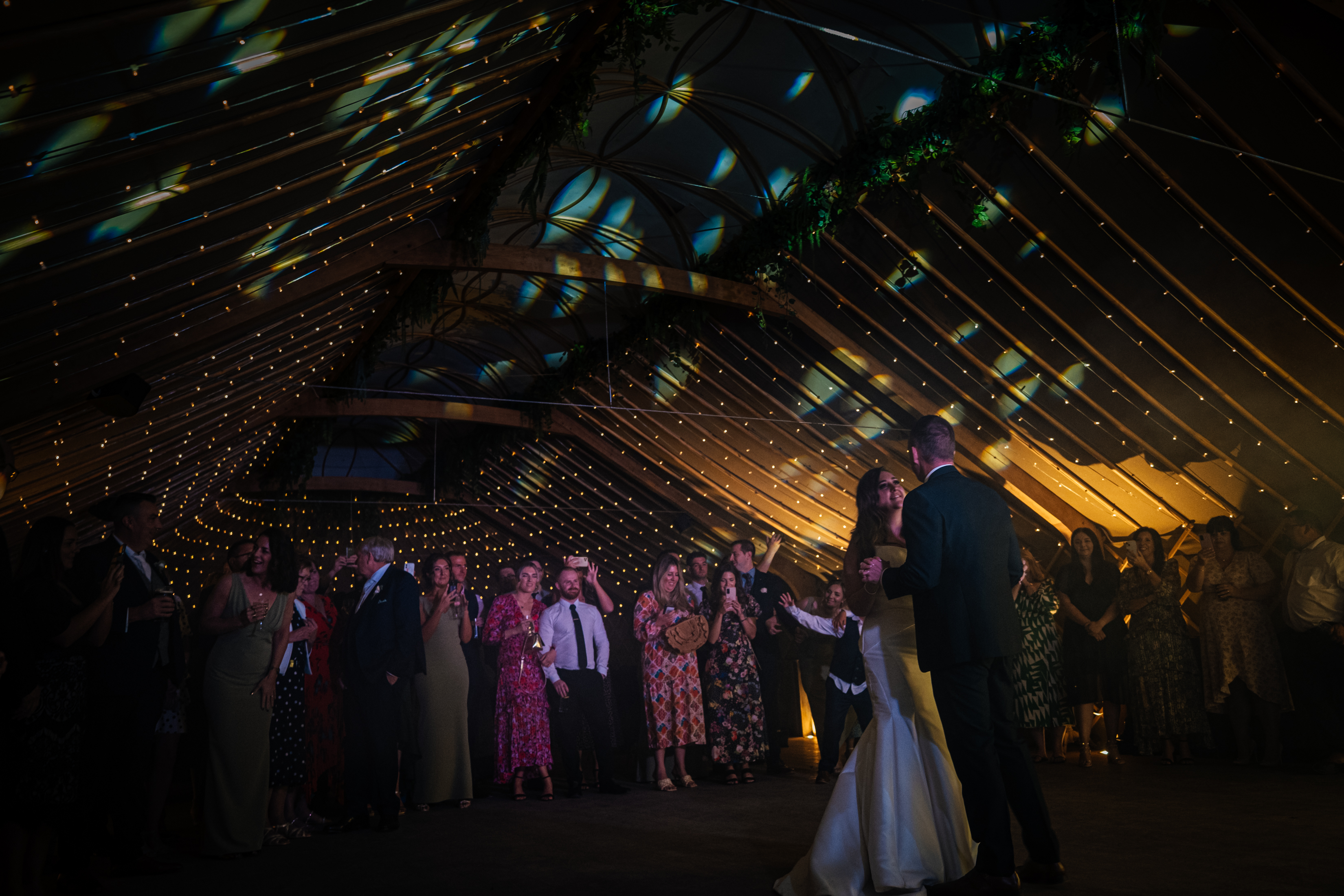
Seek Out the “Difficult” Light: Don’t be afraid of the dark corners of a venue. Some of the most epic shots happen in low-light environments where we can play with shadows.
-
Movement is Everything: Static is boring. Walk, dance, or even run. In cinema, motion creates energy. A slightly blurred shot of a bride laughing mid-stride is always more “cinematic” than a perfectly sharp, static pose.
- Layer your photos: Capture depth and stories within stories. Don’t just look at what’s immediately in front of you, but how it fits into the stories and environment. Try and capture “action” and “reaction” in one photo wherever possible.
- Transitional shots: Capture the movement between scenes and try to move the viewer through locations in an interesting way.
- Focus on the Adjectives and Verbs: Don’t just make “noun” images, try to make them rich, descriptive with movement and action. Rather than “bride positioned in nice light”
- What can you remove? Removing elements and cleaning up your picture is a great way to define your storytelling. (In fact, regularly cutting off heads can actually be really helpful and dynamic.)

Frequently Asked Questions About Cinematic Wedding Photography
What exactly is “cinematic” wedding photography?
To me, cinematic photography isn’t about using a specific filter or making your wedding look like a big-budget production. It’s about visual storytelling. It involves using techniques like intentional composition, playing with natural light and shadows (chiaroscuro), and capturing “stills” that feel like they belong in a movie. It’s the difference between a “posed portrait” and a “captured moment.”
We are both very camera-shy. Will we have to “act” for the camera?
Absolutely not. In fact, “acting” is the enemy of a cinematic shot. My approach is rooted in documentary and street photography, which means I’m an observer, not a director. I won’t ask you to do awkward poses or “pretend” to laugh. The most cinematic frames happen when you’ve forgotten I’m even there.
Our venue is quite dark. Can you still get that cinematic look?
Darker venues (like old stone churches or industrial spaces like The West Mill) are actually where cinematic photography thrives. I specialize in natural and low-light photography. Instead of using a bright, distracting flash that kills the atmosphere of the room, I use the existing light to create depth, mood, and those beautiful, grainy shadows that define classic cinematography.
Do you still take traditional family group photos?
Yes, of course. While my focus is on the candid and the cinematic, I understand that family portraits are an important part of your legacy. We’ll usually spend about 15–20 minutes on these to ensure they are done efficiently and beautifully, so we can get back to capturing the real, unscripted story of your day.
 Does “cinematic” mean my photos will look dated or “over-edited” in ten years?
Quite the opposite. Trends (like “light and airy” or heavy orange-and-teal filters) come and go. My editing style is inspired by analog film and classic cinema—think timeless tones, natural skin colors, and a focus on contrast. The goal is for your gallery to feel as relevant in 30 years as it does today.
How do you use “Street Style” techniques at a wedding?
Street photography is all about anticipation—being in the right place at the right time to catch a fleeting expression or a sudden burst of laughter. I use small, unobtrusive cameras to move quickly and quietly among your guests. This allows me to capture those “perfectly imperfect” moments that a more traditional, “heavy-gear” photographer might miss.
What areas do you cover?
I am a Derbyshire Wedding Photographer, so I am a regular at venues across Derbyshire, Nottinghamshire, and the Peak District. However, I love traveling for weddings that fit my cinematic style, whether that’s a warehouse in London or a coastal elopement.
Documentary Storytelling For your wedding
My couples tell me things like “We didn’t know you were there“, “The photos are totally us” and “Everytime we look through the photos we see something new”.
If you want that sort of magic from your wedding photography – download the brochure for instant access to pricing and packages.